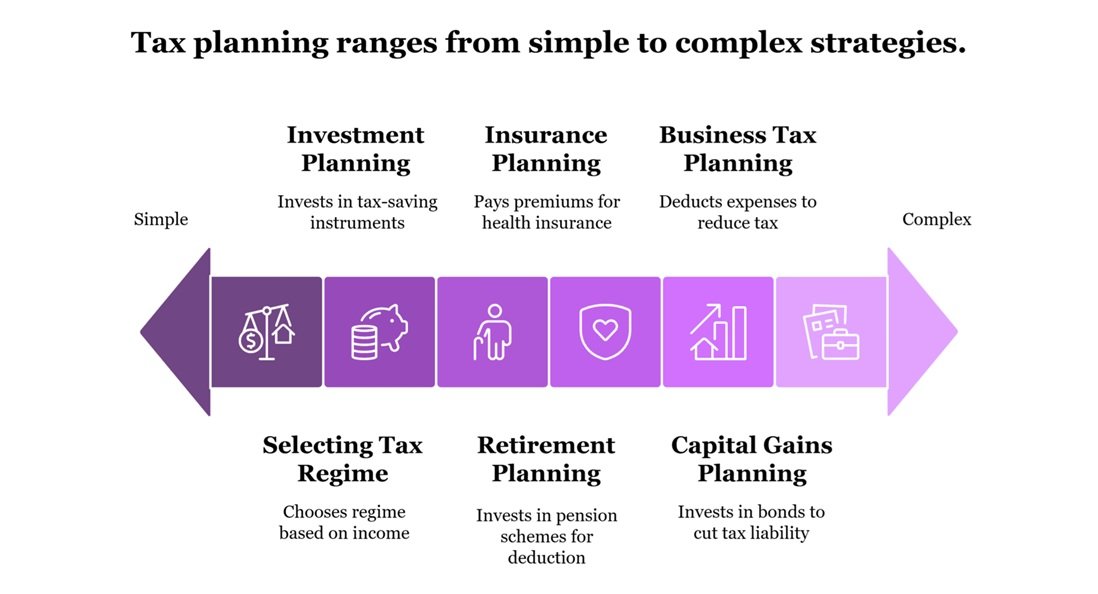
Long term wealth management is not only about saving money. It is about clear choices that protect you and your family. You face taxes, changing laws, and complex rules. You also face fear and confusion. A trusted guide can steady you. A Denver CPA gives you structure and control. You gain a clear view of your income, spending, and long term goals. You see how today’s decisions shape your future. You learn when to save, when to invest, and when to pull back. You also reduce mistakes that quietly drain your savings. Careful planning turns scattered accounts into a focused plan. Careful review turns surprise tax bills into expected events. Over time, you build calm instead of worry. This blog explains how steady support from a CPA strengthens your long term wealth management and protects what you work for.
Why long term planning matters for your family
Money choices follow you for years. Quick moves and guesswork can hurt your savings and your peace of mind. Long term planning helps you:
- Protect your family from sudden shocks
- Lower your tax burden in legal ways
- Reach clear goals like college, a home, or retirement
The Federal Reserve reports that many households cannot handle a simple emergency without debt. You can review their data on household finances at the Survey of Household Economics and Decisionmaking. Careful planning with a CPA helps you avoid that trap. You build reserves, not regret.
What a CPA adds that software cannot
You might use tax software or a budget app. Those tools help with simple tasks. They do not replace judgment. A CPA brings three things you cannot download.
- Clear translation. A CPA turns tax law and rules into plain language. You understand what you sign.
- Big picture thinking. A CPA looks at your job, business, family, and future at the same time.
- Accountability. A CPA keeps you on track each year so your plan does not fade.
The IRS explains many tax topics on its site, yet the rules change. A CPA watches these changes and adjusts your plan so you do not pay more tax than you must.
Short term moves versus long term planning
You might ask why long term planning matters when daily costs already feel heavy. The answer is simple. Short term moves handle today. Long term planning guards your next twenty years.
| Choice Type | Focus | Common Actions | Risk If Used Alone |
|---|---|---|---|
| Short term moves | Today and this year | Cutting small costs, filing taxes, paying debt | You miss big goals. You react instead of plan. |
| Long term planning | Five to thirty years | Retirement saving, college plans, estate choices | You may feel stuck and fail to adjust to new needs. |
| CPA guided plan | Both short and long term | Tax strategy, savings plan, review each year | Lower. You adjust early and avoid surprise losses. |
This comparison shows why you need more than a yearly tax filing. You need a path that links today’s choices to your future safety.
How a CPA supports each stage of your life
Your needs change as your life changes. A steady CPA grows with you and your family.
Early career
- Set up a simple budget and debt payment plan
- Use workplace retirement options in a smart way
- Plan for first home savings
Growing family
- Adjust tax withholding and credits after marriage or children
- Start education funds and review insurance needs
- Plan for one parent stepping back from work if needed
Peak earning years
- Raise retirement savings to match higher income
- Use tax smart investment choices
- Plan for care of aging parents
Retirement and legacy
- Turn savings into steady income
- Plan when to draw Social Security and other benefits
- Set up your will and beneficiary choices with legal partners
Through each stage a CPA gives you a clear snapshot. You see where you are, what changed, and what to adjust.
Simple steps you can take with a CPA
You do not need large wealth to start. You only need a clear first step. You can:
- Gather your last two tax returns, pay stubs, and account statements
- Write three clear goals such as debt freedom, home purchase, or retirement age
- List your worries such as college costs, medical bills, or job loss
Then you meet with a CPA and review those items. You work together to build a written plan with actions for the next year, three years, and ten years. You schedule a yearly checkup so the plan stays real and does not sit in a drawer.
Protecting your family from common money traps
Without guidance many families fall into the same traps.
- High interest debt that never shrinks
- Large tax bills after selling stock or a home
- Missed retirement matches from employers
- No plan for care if someone becomes disabled
A CPA spots these risks early. You then set guardrails. You may build an emergency fund, choose safer debt levels, and set clear savings rules. You also prepare basic documents like powers of attorney with a lawyer so your family is not left guessing.
Using data to stay honest with yourself
Money brings strong emotion. Fear, shame, and anger can drive rushed choices. Numbers help calm those storms. A CPA uses data from your bank records, tax returns, and investment statements. You then see:
- How much you truly spend each month
- How much tax you pay and why
- How much you save toward each goal
This clear view builds honesty. You stop guessing. You start acting.
Closing thoughts
Long term wealth management is about steady care, not quick wins. You protect your family when you pair your own effort with the judgment of a trusted CPA. You lower stress. You cut waste. You give your children a model of calm money habits. You do not need perfection. You only need a plan, a partner, and the courage to start.