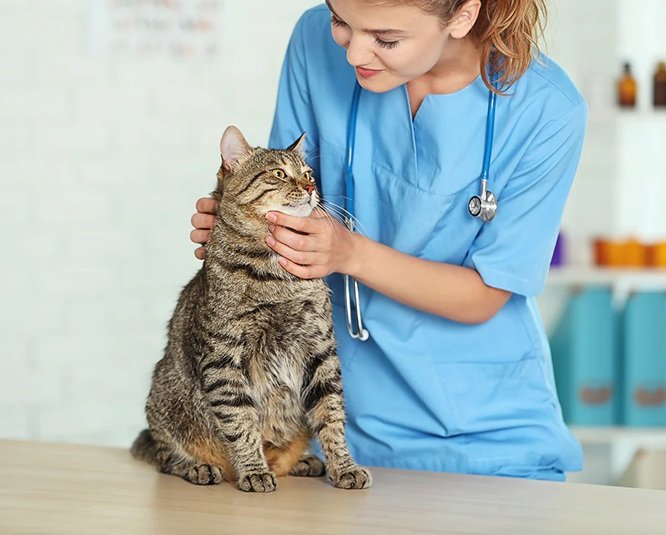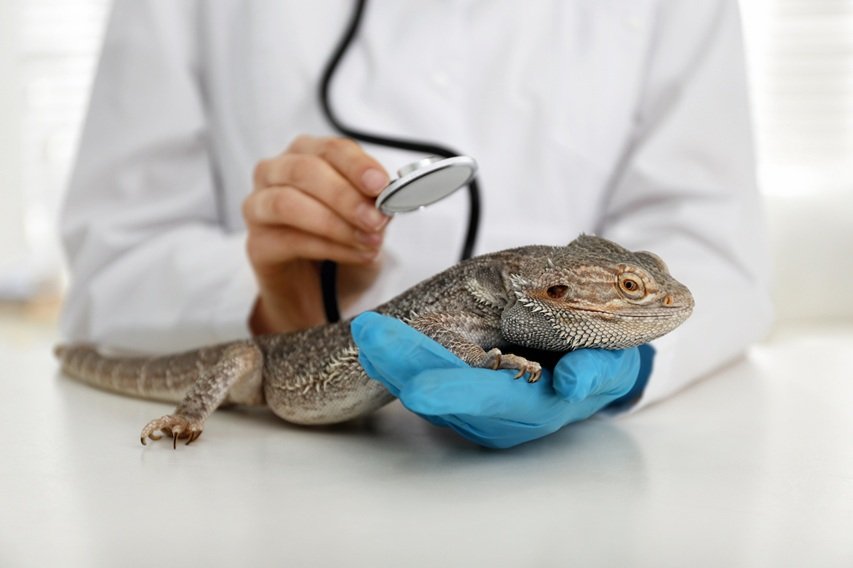
Exotic pets pull you in with sharp colors, quick eyes, and quiet habits. Then real life sets in. You face questions about heat, food, handling, and emergencies that feel heavy. Veterinary hospitals step in to share that weight. You see trained teams who know how to read a bearded dragon’s slow blink or a parrot’s sudden silence. You watch them build calm from chaos during a crisis. They set up special rooms, use safe handling tools, and follow strict checks for temperature and stress. They talk with you in clear language, not medical terms. A Sumter veterinarian may treat a snake, a ferret, and a cockatoo in one morning. Each visit calls for different skills and careful choices. This blog explains how these hospitals protect your exotic pet’s body and mind, and how you can work with them to keep your companion safe.
What “Exotic Pet” Really Means For Care
Exotic pets include many species. Each one needs specific housing, food, and handling. You cannot treat a parrot like a cat. You cannot treat a snake like a rabbit. Veterinary hospitals plan around these differences.
You often see these groups.
- Birds such as parrots, finches, and backyard poultry
- Small mammals such as rabbits, ferrets, guinea pigs, and hedgehogs
- Reptiles such as snakes, lizards, and turtles
- Amphibians such as frogs and salamanders
Each group has its own risks. Wrong heat harms reptiles. Poor air hurts birds. Wrong bedding harms small mammals. Hospitals train teams to notice these risks fast.
Special Equipment You Do Not Have At Home
Exotic pets need tools that many clinics for dogs and cats do not keep on hand. Exotic hospitals invest in this equipment so you do not have to guess at home.
- Small scales that measure in grams for tiny patients
- Heat support such as safe heating pads and warm air units
- Special oxygen cages for birds and small mammals
- Custom anesthesia and breathing masks for beaks and small faces
- Imaging tools that work for small bones and shells
The staff use strict cleaning steps. They also separate prey and predator species. Your rabbit does not wait next to a snake. Your parrot does not sit near a barking dog. This lowers fear and stress.
How Exams For Exotic Pets Are Different
Routine checks help catch problems early. For exotic pets, these visits often start with your story. The team asks about housing, light, food, and handling. Many problems begin there.
During the exam, the team often does three things.
- Watch your pet from a distance for posture, breathing, and movement
- Handle your pet in a gentle but firm way to prevent injury
- Check eyes, mouth, skin, feathers, scales, and weight
Many hospitals also use fecal tests to look for parasites. They may suggest blood work for older pets or sick pets. They explain each test in simple language so you can consent with clear understanding.
Common Health Problems Exotic Vets See
Exotic pets often hide pain. By the time you notice, the problem may feel severe. Veterinary hospitals see patterns and know what to look for early.
Common issues include:
- Nutritional problems. Low calcium in reptiles. Poor seed only diets in birds. Poor fiber in rabbits.
- Housing stress. Wrong heat or light. Cages that are too small. Poor hiding spots.
- Infections. Respiratory disease in snakes and birds. Dental disease in rabbits and rodents.
- Injury from handling. Falls. Grabs by children. Bites from other pets.
Veterinary hospitals treat the illness. They also fix the cause. They show you how to change diet and housing. They help you build safer routines at home.
Sample Needs For Different Exotic Pets
The table below shows simple examples of how needs vary. Your hospital will give specific guidance for your pet.
| Pet Type | Typical Lifespan Range | Key Housing Need | Common Health Risk | Suggested Vet Visit Pattern |
|---|---|---|---|---|
| Parrot (small to medium) | 10 to 30 years | Large cage and daily out of cage time | Obesity and feather picking | Once per year. Twice per year for older birds |
| Rabbit | 8 to 12 years | Room to hop and chew safe items | Dental overgrowth and gut stasis | Once per year. Prompt visit for any drop in eating |
| Bearded dragon | 8 to 12 years | Strong UVB light and heat gradient | Metabolic bone disease | Once per year. Extra visits for growth checks |
| Corn snake | 10 to 15 years | Secure lid and hiding places | Respiratory infection and shedding issues | Yearly visit. Extra visit for breathing or skin issues |
| Guinea pig | 5 to 7 years | Large flat cage and constant hay | Dental disease and vitamin C lack | Yearly visit. Twice per year for seniors |
How Hospitals Protect Your Family And Community
Exotic pets can carry germs that spread to people. You may not see any sign of illness in your pet. Veterinary hospitals act as a guard for your home.
They use:
- Screening for parasites and bacteria
- Safe handling rules for staff and families
- Clear guidance on hand washing and cleaning cages
The Centers for Disease Control and Prevention explains risks from reptiles and amphibians and how to reduce them. You can read more at CDC Healthy Pets.
What You Can Do Before And After Each Visit
You play a central role in your exotic pet’s care. Veterinary hospitals rely on your eyes and actions at home.
Before a visit, you can:
- Write down changes in eating, droppings, and behavior
- Take clear photos of the cage, lights, and food
- Bring recent records from pet stores, breeders, or prior clinics
After the visit, you can:
- Follow written instructions on medicine and diet
- Watch for side effects and call if you see any new signs
- Book the next routine check before you leave
The University of California Davis offers guidance on exotic pet care and welfare. You can review examples at UC Davis Veterinary Medicine Exotic Pet Health Topics.
When To Seek Emergency Care Right Away
Exotic pets often fail fast once they show signs. Do not wait if you see any of these.
- Open mouth breathing in birds or reptiles
- Sudden fall from perch or loss of balance
- No droppings for a day in rabbits, guinea pigs, or small mammals
- Refusal to eat in a pet that usually eats with force
- Bleeding, burns, or bite wounds
Call your veterinary hospital. Say you have an exotic pet with an emergency. Ask if they can see your pet at once. If not, ask for the nearest emergency hospital that handles exotic species.
Working As A Team For Your Exotic Pet
You do not have to carry the weight of exotic pet care alone. Veterinary hospitals bring training, tools, and calm. You bring time, attention, and love. Together you build steady care. You protect your pet from silent suffering. You also protect your family from hidden risks. That shared work gives your exotic pet the safe life you want for them.