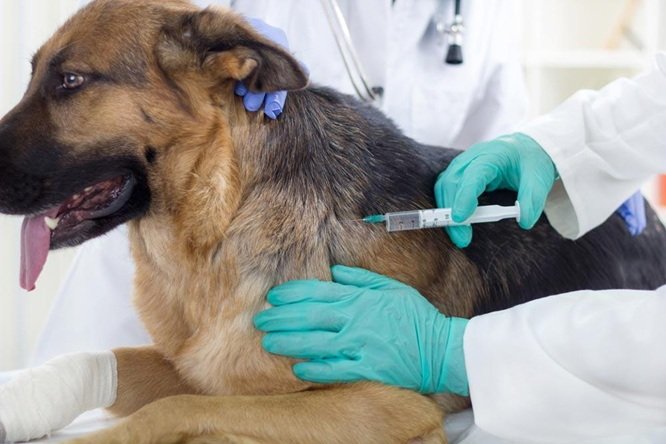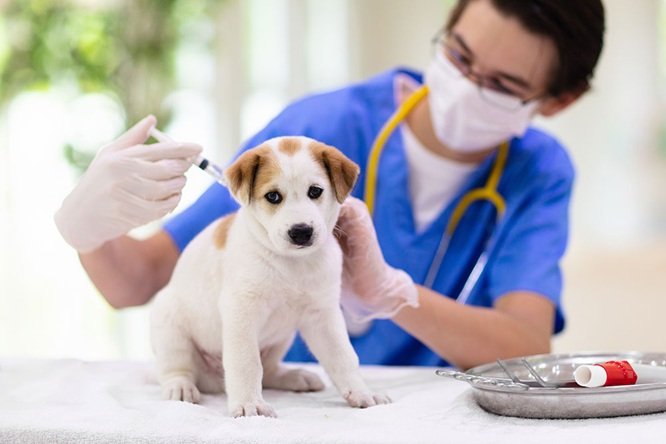
Vaccinations play a crucial role in keeping your pets healthy. They protect against deadly diseases that can affect your furry friends. Regular shots ensure your pet’s immune system stays strong. A North County San Diego veterinarian emphasizes the importance of these preventative measures. Your pet’s wellness depends on timely vaccinations. They shield your pet from illnesses like rabies and distemper. Proper care brings peace of mind. The connection between vaccines and long-term health is clear. Without them, your pet faces serious risks. You want to prevent sickness and enjoy more happy years with your pet. Avoidable diseases can be a thing of the past. Protect your beloved companions with regular vet visits. Prioritize their health by staying updated on vaccines. It’s a small step with significant benefits. Safe pets mean happy homes. Show love through prevention. Trust expert guidance for your pet’s best life.
Why Vaccinations Matter
Vaccinations are essential in preventing diseases that can cause severe health problems. They work by preparing your pet’s immune system to recognize and fight specific pathogens. When vaccinated, your pet’s immune system produces antibodies. These antibodies remain in the system, ready to protect against future infections.
Common Vaccines for Pets
There are several key vaccines your pet might need. The core vaccines protect against the most dangerous diseases. Here is a quick overview:
| Vaccine | Protection Against |
|---|---|
| Rabies | Rabies virus |
| Distemper | Distemper virus |
| Parvovirus | Parvovirus infection |
| Feline Leukemia | Feline leukemia virus |
Schedule for Vaccinations
Following a vaccination schedule is important for optimal protection. Puppies and kittens require a series of vaccinations during their first year. Adult pets need booster shots to maintain immunity. A typical schedule might look like this:
- Puppies: Begin at 6-8 weeks of age. Follow with boosters every 3-4 weeks until 16 weeks old.
- Kittens: Start at 8 weeks of age. Follow with boosters every 3-4 weeks until 16 weeks old.
- Adult Dogs and Cats: Annual or triennial boosters based on vet recommendations.
Consult your vet to create a personalized schedule based on your pet’s needs. Your veterinarian’s advice is key to keeping your pet healthy. The Centers for Disease Control and Prevention offers resources on pet vaccines, ensuring you make informed decisions.
Risks of Not Vaccinating
Skipping vaccinations exposes your pets to preventable illnesses. They risk contracting serious diseases, meaning potential pain, suffering, and costly treatments. Rabies, for instance, is nearly always fatal once symptoms appear. Vaccinations protect not just your own pet, but also the community by reducing the spread of infectious diseases.
Myth Busting: Vaccines and Pets
Concerns about the safety of vaccines are common. However, vaccines undergo rigorous testing to ensure safety and efficacy. Side effects are typically mild and short-lived, such as slight fever or soreness at the injection site. The benefits far outweigh the risks. Your focus should be on safeguarding your pet’s health through proven methods.
Conclusion
Pets are more than animals; they are cherished family members. Vaccinations are a simple yet powerful tool to ensure their lifelong wellness. Regular vet visits and adhering to vaccination schedules provide essential protection. By doing so, you honor the bond with your pets and keep them safe and healthy. Protect them today for a healthier tomorrow.