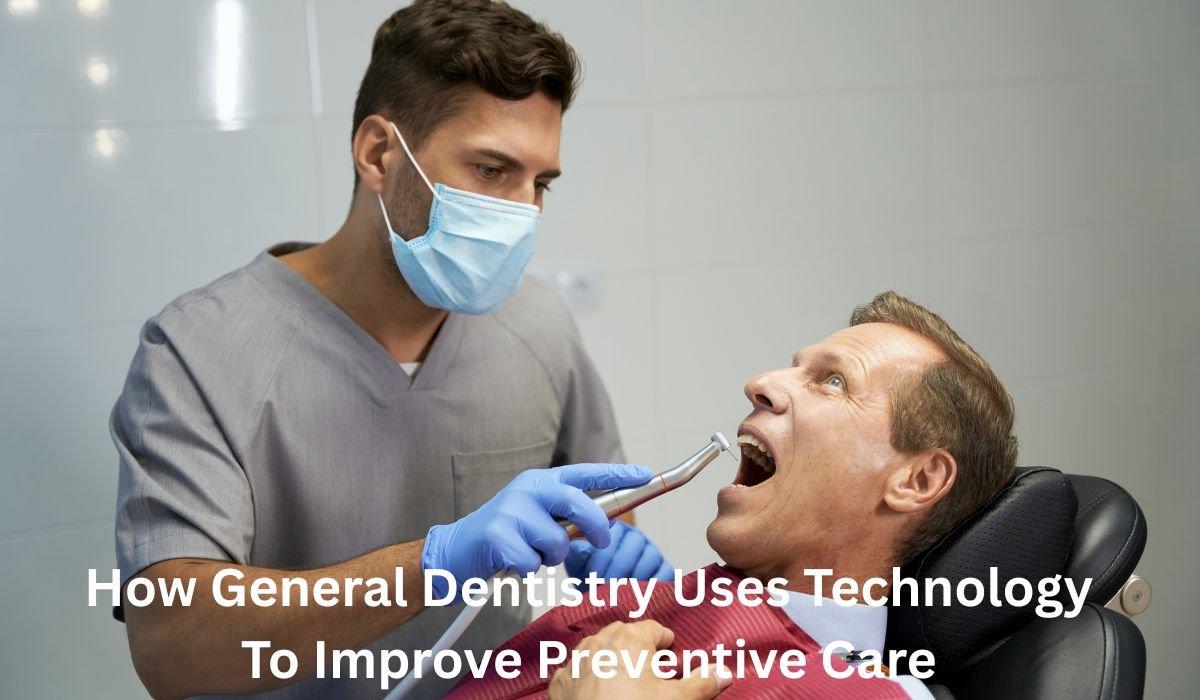
Preventive care should feel simple. You want fewer problems, fewer appointments, and clear answers. Today, general dentistry uses new tools to catch trouble early and keep your mouth steady. Digital X rays show small cavities before you feel pain. Intraoral cameras let you see what your dentist sees. Smart software tracks changes in your teeth and gums over time. As a result, you and your dentist can act early. You spend less time in the chair. You face fewer urgent visits. A dentist in Manhasset can now use these tools to build a plan that fits your daily life. You see clear images. You hear plain language. You leave with steps you can follow. This blog explains how these tools work, what they mean for your health, and how you can use them to stay ahead of problems.
Why Early Detection Matters For Your Mouth
Tooth decay and gum disease start small. You often feel nothing at first. You may see no change in the mirror. Yet damage grows under the surface. That quiet damage can cost you teeth and money.
Modern tools help your dentist catch three common problems early.
- Tiny cavities between teeth
- Gum inflammation that leads to bone loss
- Wear from grinding and clenching
Early care often means a quick fix instead of a root canal or tooth loss. The Centers for Disease Control and Prevention explains that untreated decay and gum disease link to pain, missed work, and other health problems. When your dentist uses technology to spot issues early, you avoid that spiral.
Digital X Rays: Clear Images With Lower Radiation
Digital X rays use sensors instead of film. The image appears on a screen in seconds. You see it during your visit. Your dentist can zoom in and adjust contrast. That clear view helps catch decay between teeth and under fillings.
Digital X rays offer three key benefits.
- Lower radiation than older film systems
- Instant images with no chemical processing
- Easy sharing with specialists if you need a second opinion
The U.S. Food and Drug Administration notes that dental X rays use a small dose of radiation. Digital systems reduce that dose even more. You gain more detail with less exposure. You also gain faster visits and clearer talks about what the images show.
Intraoral Cameras: Seeing What Your Dentist Sees
An intraoral camera is a tiny camera that fits in your mouth. It shows live images on a screen. You see cracks, worn fillings, and plaque in real time. That view changes the way you understand your own mouth.
These cameras help you in three ways.
- You see proof of problems instead of guessing
- You follow changes over time as images are saved
- You feel more control over choices about treatment
When you see a crack or stain up close, you understand why your dentist suggests a filling or sealant. There is less doubt. There is more trust. That trust can ease fear for you and your family.
Smart Software And Digital Records
Your dentist now uses software to track your teeth and gums across many visits. Photos, X rays, and notes stay in a digital record. The system can show side by side images from past years.
This record helps your preventive care in three clear ways.
- It reveals slow changes that are hard to see in one visit
- It supports early warnings for gum loss and tooth wear
- It keeps your history safe and easy to share if you move
Digital charts also help with reminders for cleanings, sealants, and fluoride. You get alerts before problems grow. That rhythm keeps your mouth steady and your stress lower.
Fluoride, Sealants, And Other Simple Tools
Technology does not always mean complex machines. Everyday preventive tools now match better with your needs because your dentist has clearer data.
- Fluoride treatments harden weak spots before cavities form.
- Sealants cover deep grooves on back teeth to block decay.
- Custom night guards based on digital scans protect teeth from grinding.
With better images and records, your dentist knows where to place these tools and when. You avoid guesswork. You follow a plan that matches your mouth, not someone else.
How New Tools Change Your Visit Experience
Technology changes more than treatment. It reshapes your time in the chair. Your visit becomes more clear, more direct, and less chaotic.
You can expect three shifts.
- Shorter visits because images are instant
- More clear talks using pictures on a screen
- Less fear because you see what is happening
Children often feel calmer when they see their own teeth on a screen. Adults feel more respect when a dentist walks through each image and asks for questions. That shared view turns your visit into a joint effort, not a lecture.
Comparison: Traditional Care And Tech Assisted Care
| Aspect | Traditional Preventive Care | Tech Assisted Preventive Care |
|---|---|---|
| Cavity detection | Relies on visual checks and a probe | Uses digital X rays and cameras for small hidden decay |
| Visit length | Longer due to film X ray processing | Shorter with instant digital images |
| Radiation exposure | Higher film based dose | Lower dose with digital systems |
| Patient understanding | Mainly verbal explanation | Visual review of images and photos |
| Tracking changes | Based on memory and paper charts | Side by side digital images across years |
| Emergency risk | Higher due to later detection | Lower because problems are found early |
How You Can Use This Technology For Your Family
You play a direct part in preventive care. You can ask clear questions and request use of these tools during visits.
- Ask to see your digital X rays and intraoral photos.
- Ask what has changed since your last visit.
- Ask which teeth need extra care at home.
Then match what you learn with steady home habits.
- Brush two times a day with fluoride toothpaste.
- Clean between teeth one time a day with floss or another tool.
- Limit sweet drinks and snacks between meals.
When you match home care with early detection, you protect your mouth with less effort and less fear.
Moving Forward With Confidence
Technology will keep changing. The core goal stays the same. You want to keep your natural teeth, avoid pain, and hold on to your health. Digital X rays, intraoral cameras, and smart records give you and your dentist stronger tools to reach that goal.
When you use these tools, you catch problems when they are small. You choose simple fixes instead of urgent care. You protect your family from avoidable pain. That steady protection is the quiet strength of modern general dentistry.