You want the best for your child. Ensuring dental health from an early age lays the foundation for a lifetime of healthy smiles. By the age of one, establishing a “dental home” isn’t just smart. It’s essential. A dental home means having a trusted dentist who knows your child’s needs and can provide personalized care. This relationship offers more than just routine check-ups. It provides a consistent support system for your child’s oral health. Visiting a Cary pediatric dentist ensures familiarity with a professional who offers expertise and compassion tailored to your child’s needs. Early dental visits help prevent cavities, detect any issues early, and teach good habits. Most importantly, these visits pave the way for a positive dental experience, reducing your child’s anxiety and fostering trust. Start this journey now for your child’s bright, healthy future.
The Importance of Early Dental Visits
Early dental visits are crucial for many reasons. They help in identifying any early signs of tooth decay. Decay is surprisingly common among young children. Detecting it early can prevent more severe problems later. Dental visits also allow the dentist to monitor your child’s oral development. This includes checking for any abnormalities in teeth and jaw growth.
What Happens During the First Visit?
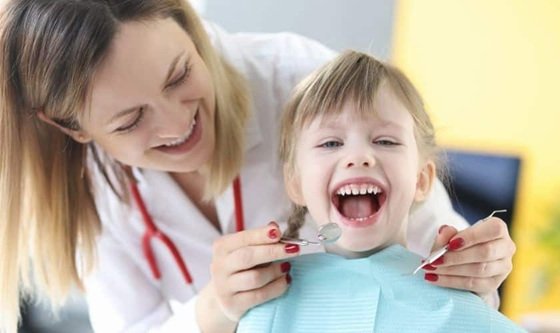
The initial dental visit is often short and simple. The primary goal is to introduce your child to the dentist and the dental environment. The dentist examines your child’s mouth to check for any potential issues. They will also discuss habits like thumb sucking and teething. Additionally, they provide tips on cleaning your child’s teeth and gums. These visits are about education as much as examination.
Benefits of a Dental Home
Having a dental home offers numerous benefits:
- Consistency: Regular visits to the same dentist build trust and comfort.
- Preventive Care: Early and regular visits help in maintaining good oral health.
- Emergency Assistance: Knowing who to contact during dental emergencies reduces stress.
Comparing Dental Home with Sporadic Visits
| Aspect | Dental Home | Sporadic Visits |
|---|---|---|
| Consistency | Regularly scheduled and familiar environment | Inconsistent and unfamiliar settings |
| Trust | Established relationship with the dentist | New experience each time |
| Preventive Care | Ongoing monitoring and guidance | Reactive to issues as they arise |
| Emergency Response | Quick and effective due to familiarity | Potential delays and uncertainty |
Preventative Measures and Education
Early dental visits focus heavily on education. Dentists teach parents how to properly clean their child’s teeth. They offer guidance on diet and its impact on oral health. Parents learn about the importance of fluoride and how to avoid potential choking hazards. This kind of education is invaluable in preventing future dental issues.
Building Comfort and Reducing Anxiety
Routine visits help your child become comfortable with dental care. A familiar setting and a friendly dentist reduce the fear of the unknown. Children who start dental visits early are less likely to develop dental anxiety. This ease continues into adulthood, making them more likely to maintain regular dental care habits.
Resources for Parents
For more information, you can refer to resources such as the American Dental Association’s MouthHealthy page. It offers detailed guidance on dental care for children. Additionally, the Centers for Disease Control and Prevention provides reliable information on children’s oral health. Empower yourself with knowledge to ensure the best care for your child.
Conclusion: Start Early, Stay Healthy
Creating a dental home by age one is a caring step toward ensuring your child’s lifelong oral health. With regular visits, you provide them with a foundation of healthy dental habits. This proactive approach prevents problems, reduces anxiety, and builds a trusting relationship with their dentist. Make this commitment now for your child’s healthy and confident future. Remember, every smile begins with the first visit.