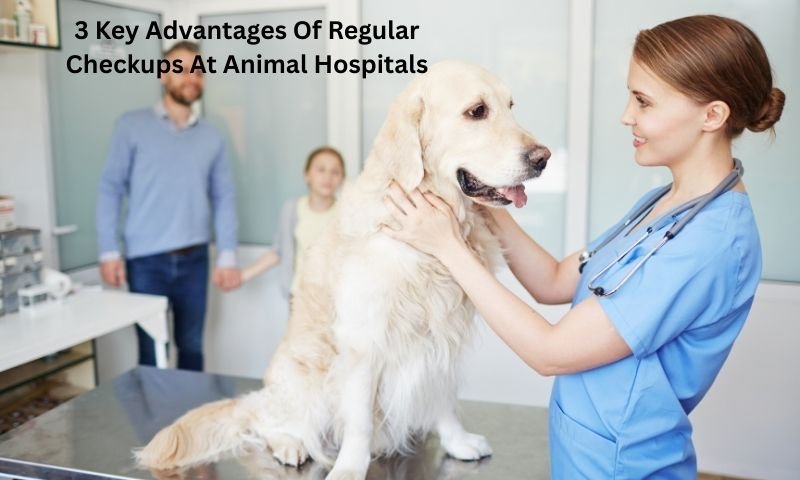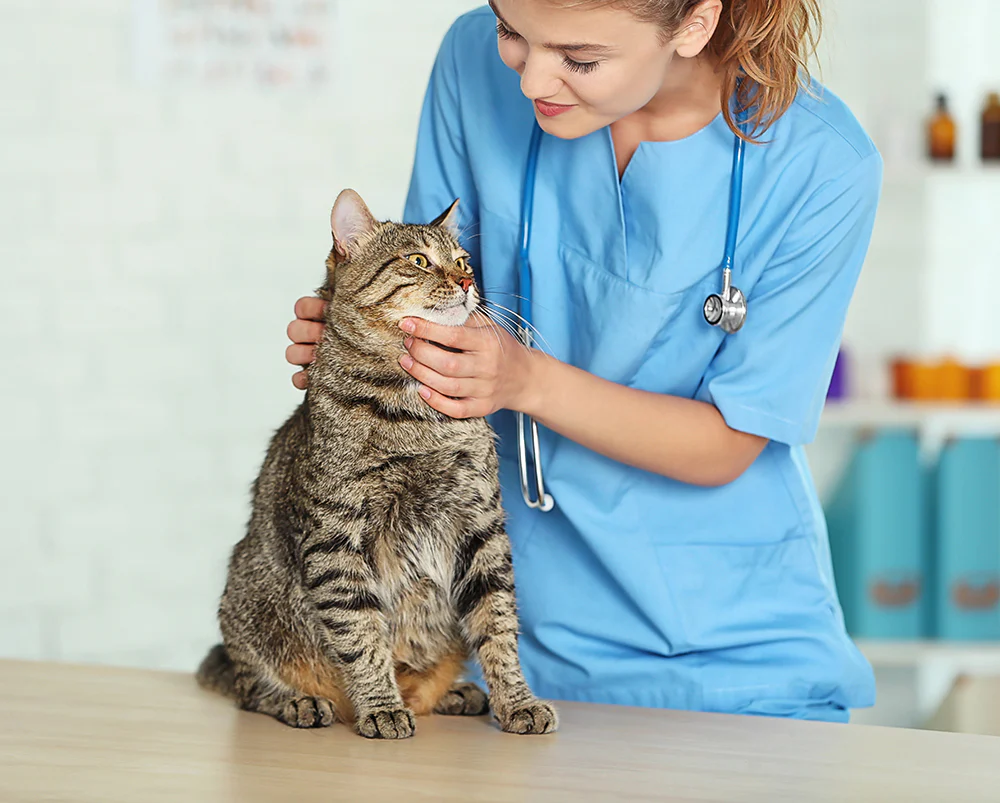
Your pet depends on you to notice small changes. You miss things. Regular checkups fill that gap and protect long term health. During routine visits, your veterinarian checks weight, teeth, skin, eyes, ears, heart, and joints. Many problems start quiet and small. Early care often means less pain, less medicine, and lower cost. You also get clear answers about food, exercise, vaccines, and aging. Each visit builds a health record that shows patterns over time. This record helps your veterinarian act fast when something shifts. If you visit a trusted veterinary clinic in Adrian, MI, you gain a partner who knows your pet’s history and habits. That steady support brings calm when you face hard choices. Skipping checkups may feel easy now. It can lead to sudden crises later. Regular visits give your pet a stronger chance at a longer, steadier life.
Why regular checkups matter more than “sick visits”
You might wait until your pet limps, coughs, or stops eating. By that time, the problem can be strong and deep. Regular checkups work like a smoke alarm. They warn you early. Your veterinarian can spot:
- Slow weight gain or loss
- Hidden mouth pain or broken teeth
- Lumps that you cannot feel yet
- Heart or lung changes that only show on a stethoscope
- Stiff joints that hint at early arthritis
Early care often means shorter treatment and more comfort. It also gives you time to plan and to ask hard questions before a crisis hits.
How often your pet should get a checkup
Most healthy adult pets need a full exam once a year. Young and older pets need more. The American Veterinary Medical Association explains that life stage changes risk and care needs.
Use this simple guide and then follow your veterinarian’s plan.
Suggested visit frequency by life stage
|
Life stage |
Typical age |
Suggested visit frequency |
Main focus at visits |
|---|---|---|---|
|
Puppies and kittens |
Birth to 1 year |
Every 3 to 4 weeks, then every 6 to 12 months |
Vaccines, growth checks, parasite control, behavior support |
|
Healthy adults |
1 to 7 years (dogs) 1 to 9 years (cats) |
Every 12 months |
Annual exam, vaccines, weight control, dental checks |
|
Senior pets |
Over 7 years (dogs) over 9 years (cats) |
Every 6 months |
Blood work, pain checks, organ function, mobility, memory changes |
These visits may feel frequent. They protect your pet from slow damage that you cannot see.
What happens during a regular checkup
A checkup is more than a quick look. Your veterinarian will usually:
- Ask about food, water, bathroom habits, and activity
- Review past records and test results
- Check eyes, ears, mouth, teeth, skin, and coat
- Listen to heart and lungs
- Feel the belly and lymph nodes
- Test joints and muscles for pain or weakness
- Discuss parasite prevention and vaccines
For older pets or pets with known problems, your veterinarian may suggest blood and urine tests. These tests help catch kidney, liver, and hormone problems before they cause strong symptoms.
Preventive care versus emergency care
Preventive care is planned. Emergency care is forced. You want more of the first and less of the second. Here is a simple comparison.
Preventive care compared with emergency care
|
Type of care |
When it happens |
Common costs |
Impact on your pet |
|---|---|---|---|
|
Preventive checkups |
On a planned schedule |
Office visit, vaccines, routine tests |
Short visits, less pain, early problem control |
|
Emergency visits |
Night, weekend, or during a crisis |
Emergency fees, hospital stays, surgery, strong drugs |
High stress, more pain, higher risk of lasting damage |
Regular checkups cannot stop every emergency. They often keep a small concern from turning into a late night rush and a hard hospital stay.
How regular checkups protect long term health
Over years, repeated visits build a strong record. That record shows patterns such as:
- Slow weight gain that hints at joint strain
- Rising kidney values that warn of early kidney disease
- Changes in heart sounds that point to heart disease
- Behavior changes that may show pain or brain change
With that record, your veterinarian can act sooner. You can start joint support before your dog stops climbing stairs. You can adjust diet before diabetes grows. You can treat mouth disease before your cat stops eating. Small steps over time protect long term comfort and function.
Supporting your pet between visits
Checkups work best when you stay alert at home. You can support your pet’s health through three simple habits.
- Watch for change. Notice shifts in eating, drinking, sleep, bathroom habits, or mood. Write them down.
- Stick to the plan. Give preventives, medicines, and special diets exactly as directed.
- Ask hard questions. Share worries about cost, time, or stress. Your veterinarian can adjust the plan.
When you do these things, checkups become shared work. You and your veterinarian act as a team with one clear goal. You want your pet to stay steady, active, and comfortable for as long as possible.
Taking the next step
If it has been more than a year since your pet’s last exam, schedule a visit now. If your pet is older, ask about a senior checkup every six months. You are not overreacting. You are giving your pet a fair chance at a longer and steadier life. Regular checkups turn fear of the unknown into a clear plan. That plan brings relief for you and more good days for your pet.