Whitening and veneers can change how you feel when you look in the mirror. Yet without steady preventive care, that change fades fast. Stains return. Edges chip. Gums pull back. You might feel frustrated and misled. You deserve better than that. Preventive dentistry protects the time, money, and hope you already invested. Regular cleanings, careful exams, and simple home habits keep stains from setting in and stop small cracks before they spread. They also guard your gums, which hold everything in place. When you work with a Family dentist in Jenison, MI who focuses on prevention, your dental work lasts longer and looks more natural. You avoid rushed fixes and painful surprises. Instead, you get a steady plan that keeps your teeth strong, your color even, and your veneers secure year after year.
How Whitening And Veneers Really Work
You see bright teeth on the outside. Under that shine, your teeth are still living tissue that reacts to food, drink, teeth grinding, and gum disease.
Here is what happens.
- Whitening lifts stains from the surface and from tiny pores in your enamel.
- Veneers cover the front of teeth with a thin shell that hides stains, chips, and gaps.
- Your gums and bone still carry all the chewing and grinding forces.
If plaque, tartar, and inflammation build up, the support around your teeth weakens. Then whitening fades faster. Veneers start to fail at the edges. The problem is not the cosmetic work. The problem is the lack of prevention around it.
Why Prevention Makes Cosmetic Work Last Longer
Preventive care keeps the “hidden” parts of your mouth steady. That gives whitening and veneers a stable base.
With strong habits and regular visits, you:
- Slow down new stains from coffee, tea, soda, and tobacco.
- Reduce plaque and tartar that cause gum disease.
- Catch small cracks in teeth or veneer edges early.
- Control grinding or clenching that can chip veneers.
- Keep gums from receding and exposing dark edges.
The American Dental Association explains that cleanings and exams help prevent decay and gum disease that can lead to tooth loss. You can see their guidance here: ADA dental visits.
What Happens Without Preventive Dentistry
When you skip prevention, problems build in silence. You may not feel pain at first. Your cosmetic work still looks fine in photos. Then everything changes at once.
Common patterns include:
- Yellow or gray stains creeping back soon after whitening.
- Dark lines at veneer edges from plaque and gum recession.
- Chips or fractures from untreated grinding.
- Swollen or bleeding gums that pull away from teeth.
- Decay forming at the edge of veneers or under old fillings.
At that point, repairs often cost more than steady care would have. You may need new veneers, deeper cleanings, or even root canal treatment or extractions. That is a heavy emotional and financial hit for something you could have protected with simpler steps.
Comparison: With And Without Preventive Care
|
Factor |
With Strong Preventive Care |
With Little Or No Preventive Care |
|---|---|---|
|
Whitening results |
Stay brighter longer. Touch ups needed less often. |
Fade quickly. More frequent and stronger whitening needed. |
|
Veneer condition |
Edges stay smooth. Fewer chips or cracks. |
Higher risk of chips, cracks, and stains at edges. |
|
Gum health |
Gums stay firm and pink. Less recession. |
Swelling, bleeding, and gum loss more common. |
|
Cost over 10 years |
Lower. Focus on cleanings and small fixes. |
Higher. Repeat cosmetic work and major repairs. |
|
Comfort and confidence |
Steady. Fewer emergencies and surprises. |
Ups and downs. More worry about sudden problems. |
Daily Habits That Protect Whitening And Veneers
Your routine at home matters as much as what happens in the chair. Simple acts every day can double the life of your cosmetic work.
Focus on three core habits.
- Brush twice a day with a soft toothbrush and fluoride toothpaste. Use gentle strokes along the gumline and around veneer edges.
- Clean between teeth once a day with floss or small brushes. This removes plaque that brushing misses.
- Rinse with water after coffee, tea, red wine, or dark sauces. This cuts down on stain build up.
The Centers for Disease Control and Prevention shows that brushing and flossing reduce decay and gum disease. You can read more here: CDC oral health fast facts.
Professional Preventive Visits And What To Expect
Routine visits are not only for when something hurts. They are your safety checks.
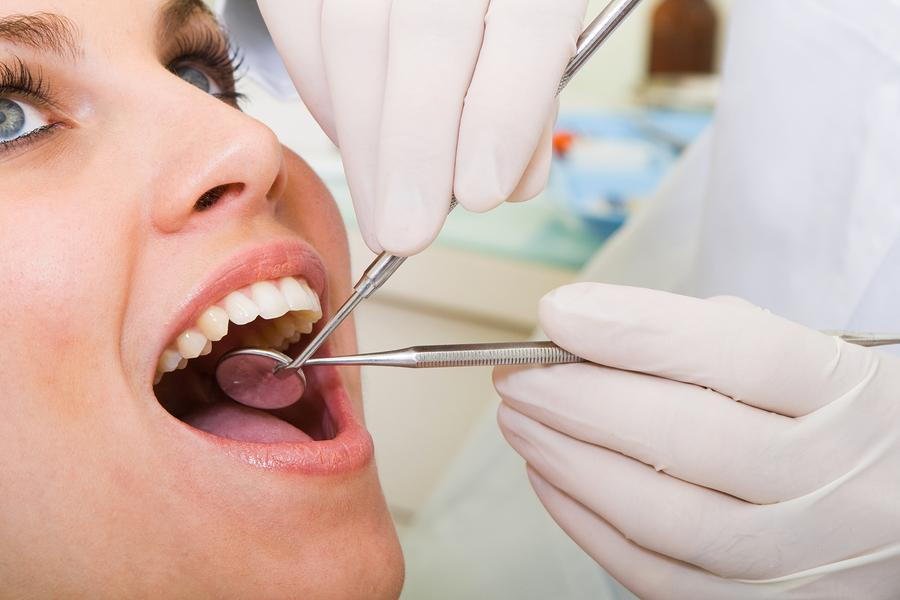
During a preventive visit, your dentist and hygienist may:
- Review your whitening and veneers and check for early wear.
- Clean plaque and tartar from teeth and along the gums.
- Polish teeth to slow stain build up.
- Check your bite to see if you grind or clench.
- Recommend a night guard if you grind in your sleep.
- Look for gum disease, dry mouth, or decay around veneers.
If they see early trouble, they can smooth rough spots, adjust your bite, or treat gum issues before they reach the cosmetic work.
Simple Choices That Add Years To Your Smile
You do not need a perfect routine. You just need a steady one. Your choices stack up over time.
- Drink water with dark drinks and sugary drinks.
- Limit tobacco, which stains teeth and harms gums.
- Use a straw with stain causing drinks when you can.
- Wear a mouthguard for sports and for night grinding.
- Schedule cleanings and exams at least twice a year, or more often if your dentist suggests it.
Each step protects your teeth, gums, and the cosmetic work you already paid for. That means fewer rushed visits and less fear of bad news.
Taking The Next Step
You invested in whitening or veneers because you wanted a smile that feels like you. You can protect that choice with steady preventive care. When you work with a team that understands both health and appearance, you get a plan that fits your life and guards your smile for many years.