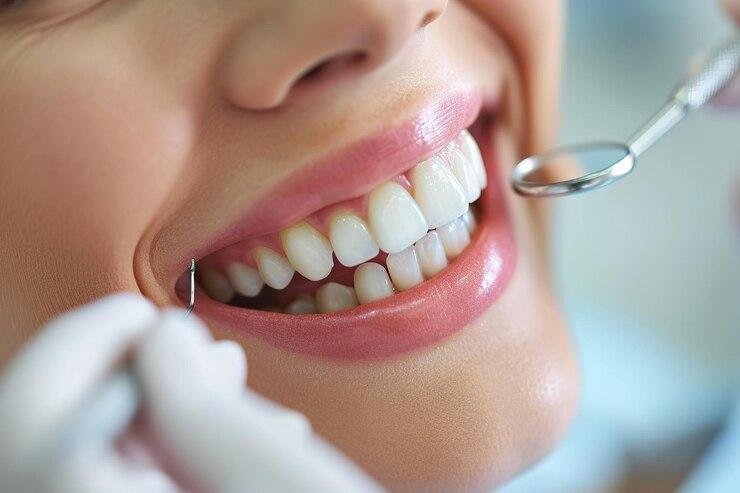
You want your child to smile without holding back. Preventive dentistry helps you reach that goal. Regular checkups, cleanings, and sealants do more than protect teeth from decay. They give your child a sense of control and safety in the dental chair. Early visits teach simple habits. They also turn the office into a familiar place instead of a source of fear. This steady routine means fewer surprises and less pain. It also means your child sees the dentist as a partner, not a threat. That trust builds quiet confidence each time your child opens their mouth to smile, speak, or laugh. If problems do come up, you already have a plan and a trusted team. You will not be left searching online in a panic for an emergency dentist Schaumburg. Instead, your child stands stronger because prevention came first.
How Early Prevention Shapes Your Child’s View Of The Dentist
Children learn fast. Their first few dental visits set the tone for years. When those visits focus on prevention, you teach your child three powerful lessons.
- The dentist is here to protect, not to punish
- Small steps today stop bigger problems later
- They can ask questions and make choices
According to the Centers for Disease Control and Prevention, tooth decay is one of the most common chronic conditions in children. Yet decay is preventable. When your child hears that message early and often, they see the dental visit as a smart habit, not a scary event.
Why Routine Visits Build Calm And Trust
Fear grows in the unknown. Regular visits take away the unknown. Your child knows what will happen, who they will see, and how long it will take. That predictability builds calm.
At a typical preventive visit, your child will
- Check in and sit in the same waiting room
- See familiar staff who use simple words
- Have teeth counted, cleaned, and checked
Each visit follows a rhythm. Your child learns that nothing sudden happens. They also see that cleaning tools and X ray cameras are just tools, not threats. Over time, this routine builds strong trust. Your child feels safe enough to speak up about pain, worries, or questions.
Prevention Means Less Pain And Fewer Emergencies
Nothing crushes a child’s confidence like sudden pain. A broken tooth or severe cavity can turn eating, speaking, and smiling into a source of dread. Preventive care lowers that risk in three main ways.
- Cleanings remove plaque that causes decay and gum problems
- Fluoride treatments harden enamel and make teeth more resistant
- Sealants protect the chewing surfaces of back teeth
Research from the National Institute of Dental and Craniofacial Research shows that sealants can prevent most decay in molars in school age children. Fewer cavities mean fewer shots and drills. Each time your child avoids pain, their courage grows. They learn that taking care of teeth pays off.
How Good Oral Health Supports Social Confidence
Confidence is not just about what happens in the dental chair. It also shows up in the classroom, on the playground, and at home. Healthy teeth support your child’s social life in clear ways.
- No tooth pain that distracts from learning or play
- No swelling or infections that change how they look
- Fresher breath that makes them less self conscious
Children notice their own smiles. They also notice how others react. A child who feels proud of clean, healthy teeth is more likely to laugh, speak up, and join group activities. That sense of ease can last into adulthood.
Teaching Responsibility Through Simple Daily Habits
Preventive dentistry does not stop at the clinic door. It continues at home. When you guide your child to care for their teeth, you give them a daily way to practice responsibility.
You can focus on three steady habits.
- Brushing for two minutes twice a day with fluoride toothpaste
- Flossing once a day with your help as needed
- Choosing water and healthy snacks instead of sticky sweets
These habits look small. Yet they send a strong message. Your child learns that their actions matter. They see that they can protect their own health. That lesson often spreads to other parts of life, such as handwashing, sleep, and school work.
Preventive Care Versus Emergency Care
Parents often ask how preventive visits compare to emergency visits. The differences are clear. They affect your child’s body, emotions, and your family budget.
|
Type of visit |
When it happens |
Common reason |
Child’s experience |
Effect on confidence |
|---|---|---|---|---|
|
Preventive visit |
Planned every 6 months |
Checkups, cleanings, sealants, fluoride |
Predictable, calm, short |
Builds trust and courage |
|
Emergency visit |
Sudden, often at night or weekend |
Severe pain, injury, broken tooth, infection |
Scary, urgent, often painful |
Can create fear or avoidance |
Both types of care have a place. Yet steady prevention lowers the chance of crisis. That protection supports your child’s sense of safety and control.
What You Can Do Before, During, And After Each Visit
You play a strong role in shaping your child’s dental confidence. You do not need special training. You only need clear steps.
Before the visit, you can
- Talk about the visit in simple, honest words
- Avoid using the dentist as a threat or warning
- Read a child friendly book about going to the dentist
During the visit, you can
- Stay calm so your child can mirror your mood
- Let staff lead the visit while you offer quiet support
- Help your child ask questions if they feel stuck
- Notice specific brave actions your child took
- Review any home care steps together
- Put the next visit on the calendar so it feels routine
When To Start And How Often To Go
Experts suggest that children see a dentist by their first birthday or within six months after the first tooth appears. Early care means problems are caught when they are small. It also means your child grows up viewing dental visits as a normal part of life, like checkups with a pediatrician.
Most children need a preventive visit every six months. Some may need more frequent care if they have higher risk for decay. Your dentist can help you set a schedule that fits your child.
Helping Your Child Carry Confidence Forward
Preventive dentistry does more than protect teeth. It shapes how your child feels about health, pain, and control. Each calm visit, each clean tooth, and each small habit adds up. You are not only avoiding future problems. You are helping your child build strength, courage, and peace of mind every time they smile.