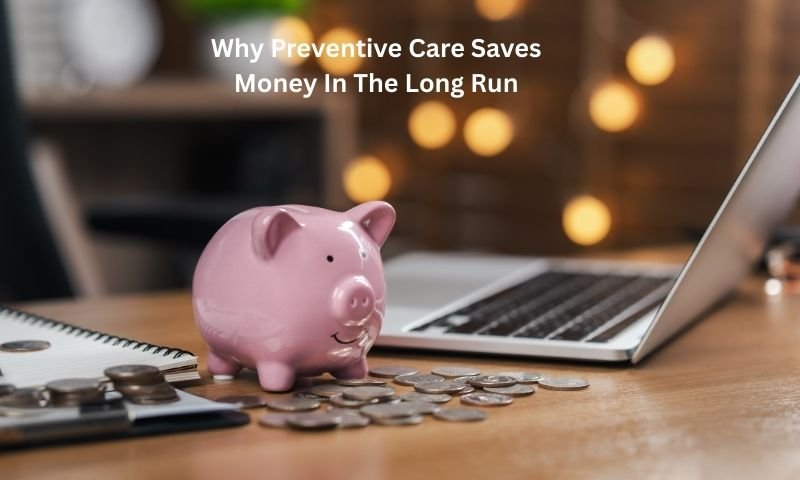
Preventive care protects your health and your wallet. When you act early, you catch small problems before they grow into crises that drain your savings and your energy. You know this from everyday life. You fix a small leak before it ruins the whole ceiling. The same truth applies to your body. Regular checkups, vaccines, screenings, and honest talks with your doctor cost less than a night in the hospital or emergency surgery. A Faggs Manor veterinarian gives pets routine vaccines to avoid large medical bills later. You deserve that same protection. Preventive care also helps you stay at work, care for your family, and avoid surprise medical debt. This blog explains how simple steps today lower your long term costs, reduce stress, and keep you in control of your health instead of waiting for a crisis to make decisions for you.
What Preventive Care Includes
You practice preventive care any time you act early to avoid sickness or injury. You do not need special tools. You need a plan and steady habits.
Common parts of preventive care include:
- Yearly checkups with a primary care doctor
- Vaccines for children and adults
- Screenings for blood pressure, cholesterol, diabetes, and cancer
- Dental cleanings and eye exams
- Mental health check ins when you feel worn down or stuck
- Support to quit smoking and reduce alcohol use
- Nutrition and movement plans that fit your body and schedule
The U.S. Centers for Disease Control and Prevention explains that regular screenings and vaccines prevent sickness, disability, and early death. You can read more at CDC chronic disease prevention.
Why Preventive Care Costs Less Than Crisis Care
Medical crises cost more because they hit fast and hard. You lose control of where you go, which doctor you see, and what you pay. You also lose work time and family time.
Preventive care costs less for three reasons.
First, early treatment is simpler. A small cavity costs less to fill than a root canal. A low blood pressure medicine costs less than a stroke rehab stay.
Second, planned visits avoid surprise bills. You can pick in network doctors and ask about costs. You can schedule visits when you have sick leave.
Third, prevention lowers the chance of chronic disease. Chronic disease is long term and expensive. It often needs medicine, devices, and frequent visits.
Short Term Costs vs Long Term Costs
You might worry that checkups and tests add costs now. You might feel tempted to skip them to save money this month. That choice often backfires.
| Type of care | Example today | Possible cost today | Possible cost later if you wait |
|---|---|---|---|
| Blood pressure check | Primary care visit | Copay or one visit fee | ER visit, stroke care, rehab, long term medicine |
| Dental cleaning | Routine dentist visit | Cleaning fee twice a year | Root canal, tooth loss, infection, missed work |
| Flu vaccine | Clinic or pharmacy shot | Low or no cost with many plans | Flu, hospital stay, medicine, lost wages |
| Cancer screening | Mammogram or colonoscopy | Scheduled test cost | Cancer treatment, surgery, chemo, long recovery |
This table does not show exact dollars. It shows how a single planned visit can prevent a chain of expensive events. You trade one known cost today for a lower chance of many large costs later.
How Preventive Care Protects Your Income
Money stress does not stop at the clinic door. Health problems touch your job, your home, and your children. Preventive care helps you protect your paycheck.
Preventive care protects your income in three ways.
- You miss fewer workdays due to sudden sickness
- You keep more energy to do your job and care for your home
- You lower the chance of long disability leaves that cut your earnings
When you stay healthier, you keep steady hours. You avoid last minute childcare costs and travel costs to distant hospitals. You also avoid the emotional pressure that comes with unpaid time off.
Using Insurance Benefits You Already Have
Many health plans cover certain preventive services at no cost to you. You may already pay for these benefits through premiums. When you skip preventive visits, you leave that value unused.
You can take three simple steps.
- Call your health plan and ask which preventive services are covered at no cost
- Ask your doctor which screenings and vaccines fit your age and history
- Schedule visits during slower times at work to reduce stress
If you do not have insurance, you still have options. Community health centers, local health departments, and school clinics often provide low cost vaccines, screenings, and checkups for children and adults.
Planning Preventive Care For Your Whole Family
Preventive care is a family project. You protect children, elders, and yourself when you build simple routines.
You can try this rule of three.
- One yearly checkup for every family member
- Two dental cleanings each year
- Three quick checks at home each month for blood pressure, weight, and mood
You can write dates on a calendar and treat them like other important appointments. You can bring questions in writing. You can speak up about money limits so your doctor helps you pick the most important tests first.
Taking The Next Step Today
You do not need to change everything at once. You only need to start.
You can choose one action today.
- Schedule a checkup if you have not had one in a year
- Call your child’s doctor to confirm vaccines are current
- Set a reminder to check your blood pressure at a pharmacy kiosk
Every preventive step is a promise to your future self. You protect your body. You protect your savings. You protect the people who count on you. Early care costs less than crisis care. Your choices today can spare you from pain, fear, and heavy bills later.