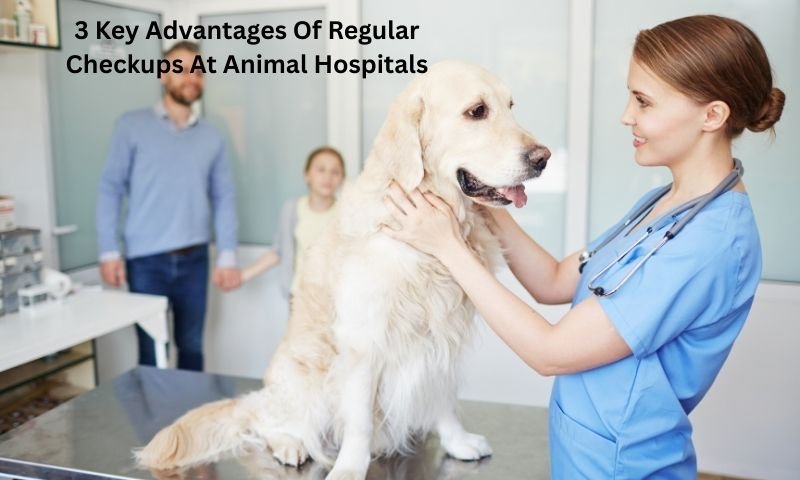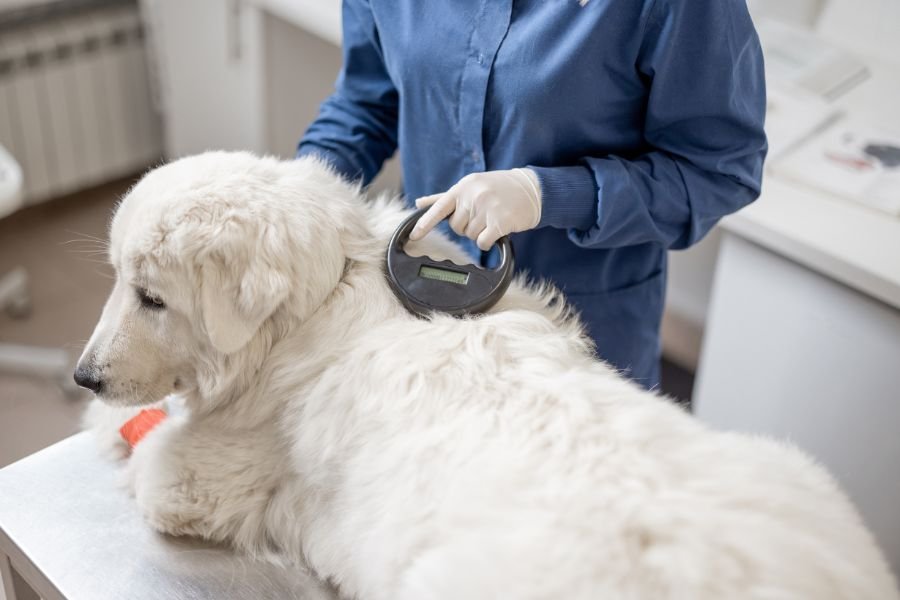
When your pet is scared or in pain, you want steady care that you can trust. That steady care is called continuity of care. It means your pet sees the same team, gets the same clear plan, and you do not have to repeat the same hard story at every visit. Many pet owners say this brings calm during stressful moments. A Richmond, VA veterinarian who knows your pet’s history can spot small changes early. That can prevent a crisis. It can also guide honest talks about cost, treatment choices, and what matters most to you. Each visit then builds on the last one. You move from chaos to a clear plan. You gain a partner who tracks vaccines, test results, and behavior shifts over time. In the end, continuity of care protects your pet’s health, your wallet, and your peace of mind.
What Continuity Of Care Means For Your Pet
Continuity of care sounds formal. In daily life it is simple. You and your pet keep going back to the same animal hospital for most needs. The team knows your pet’s age, breed, quirks, fears, and past problems. Records stay in one place. You do not start over each time.
This steady pattern gives three main gains.
- You get clear and steady advice.
- Your pet feels safer with known faces.
- Your money goes toward planned care instead of surprise visits.
Research backs this idea. The American Veterinary Medical Association explains that regular wellness visits help catch trouble early and improve life span for pets.
How Continuity Protects Your Pet’s Health
First, steady care helps with early detection. When the same team sees your pet often, they notice quiet signs that a new team might miss. A slow weight change. A new limp. A mood shift. You may miss these changes at home because you see your pet every day. A trusted team can spot them and act.
Second, continuity helps manage long term problems. Conditions like diabetes, kidney disease, or arthritis need careful tracking. You need one clinic that knows past test results and current goals. That clinic can adjust medicine in small steps instead of big swings. This lowers the risk of side effects and emergency visits.
Third, steady care gives better vaccine and parasite control. The Centers for Disease Control and Prevention explain that some diseases like rabies and some parasites threaten both pets and people. A clinic that knows your pet’s lifestyle can set a simple plan. This protects your home and your community.
Why You Feel Safer With One Trusted Team
You carry worry when your pet is sick. Continuity of care cuts that burden. You do not need to repeat past problems at each visit. The team already knows. That saves time and emotional energy.
Trust grows over time.
- You learn how the team explains risks.
- You see how they treat your pet during hard tests.
- You hear steady messages instead of mixed advice.
This trust helps during tough choices. When a crisis comes, you already know the faces in the room. You do not wonder if they understand your pet or your limits. That calm can shape better choices about tests, surgery, or comfort care.
Cost, Planning, And Fewer Surprises
Continuity of care does not just protect health. It also shapes your budget. When you stay with one clinic, you can plan routine visits, vaccines, and checkups over the year. Staff can help set a schedule that fits your income. Many clinics offer wellness plans or written estimates that build on past visits.
Without continuity, you face more surprise costs.
- Gaps in care lead to more urgent visits.
- Missed refills cause flare ups that need extra treatment.
- Lost records lead to repeat tests you already paid for.
Steady care reduces waste. You pay for progress, not for repeats.
How Continuity Helps Your Pet’s Emotions
Pets feel fear in new places. New smells, new voices, and new handling can raise their stress. When you use the same animal hospital, your pet learns the routine. Staff learn your pet’s stress signs and comfort tricks. A certain exam room. A slow step by step exam. A special treat after a shot.
Over time this pattern can lower fear. Your pet may walk through the door with less struggle. That makes visits safer for your pet and for staff. It also makes you more likely to keep coming back, which keeps your pet healthier.
Continuity Of Care Compared To Walk In Only Care
The table below shows key differences between steady care at one animal hospital and a pattern that relies on random walk in visits at many clinics.
|
Aspect |
Continuity Of Care At One Hospital |
Walk In Only, Many Clinics |
|---|---|---|
|
Medical history |
Complete record in one place. Team knows long term trends. |
Records scattered. New staff need time to review or repeat tests. |
|
Early detection |
Same team notices small changes over time. |
Subtle changes often missed or treated as one time events. |
|
Pet stress level |
Lower over time. Pet knows staff and routine. |
Higher. Each visit feels new and unpredictable. |
|
Cost control |
Planned visits. Fewer repeat tests. Better long term planning. |
More crisis visits. More duplicate tests. Harder to plan costs. |
|
Communication |
Clear, steady advice that builds on past talks. |
Mixed messages from many voices. |
|
Chronic disease care |
Structured plan with regular checks and fine adjustments. |
Fragmented care. Hard to track response to treatment. |
How To Build Continuity Of Care For Your Pet
You can start or strengthen continuity of care with three simple steps.
- Pick one primary animal hospital. Choose a clinic that feels calm, clean, and clear in its communication. Ask about hours, emergency plans, and how they share records.
- Schedule regular wellness visits. Do not wait for crises. Set yearly or twice yearly checkups, based on your pet’s age and health. Keep those visits, even when your pet seems fine.
- Use the same clinic for most needs. Go there for vaccines, minor injuries, follow up blood work, and behavior questions. Only use other clinics when your primary team is not available in urgent emergencies.
During each visit, ask clear questions.
- What is the current problem or goal.
- What changed since the last visit.
- What you should watch for at home.
Request printed or online visit summaries. Keep them in one folder. This record helps you and the team stay on the same page.
When You Might Need Extra Support
Some pets need more frequent visits. Young puppies and kittens face rapid growth and vaccine schedules. Senior pets often need checks every few months. Pets with chronic disease or behavior issues may also need closer follow up. In these cases, continuity of care gives even more value. Each visit refines the plan.
If you ever feel rushed or confused, speak up. Ask for simple language. Ask staff to show you how to give medicine or use special food. A strong clinic will respect these requests and adjust.
Choosing Continuity For Your Pet
Continuity of care is not a luxury. It is a steady choice that shields your pet from avoidable pain and you from needless fear. When you commit to one trusted animal hospital, you give your pet a medical home. You gain a team that knows your pet’s story and stands with you through calm years and hard days.
Your pet cannot ask for this. You can.