Audited financial statements calm nervous investors. You want proof that a company is honest, steady, and worth your money. An audit by a licensed CPA gives that proof. It tests numbers, checks controls, and challenges weak stories. When you see an audit report, you know someone independent has asked hard questions and put their name on the line. This builds trust. It also reduces rumors, fear, and guesswork. In fast markets, that trust matters. It can lower borrowing costs. It can attract long term investors. It can protect you when trouble hits. Services from a CPA in Spokane show how strong auditing can support clear judgment, strong markets, and fair prices. This blog explains how these services work, what they cover, and why they support your confidence when you choose where to invest.
What an Audit Really Does for You
You use money to reach goals. You save for college, a home, or retirement. Every dollar you invest carries risk. An audit helps you see that risk with fewer blind spots.
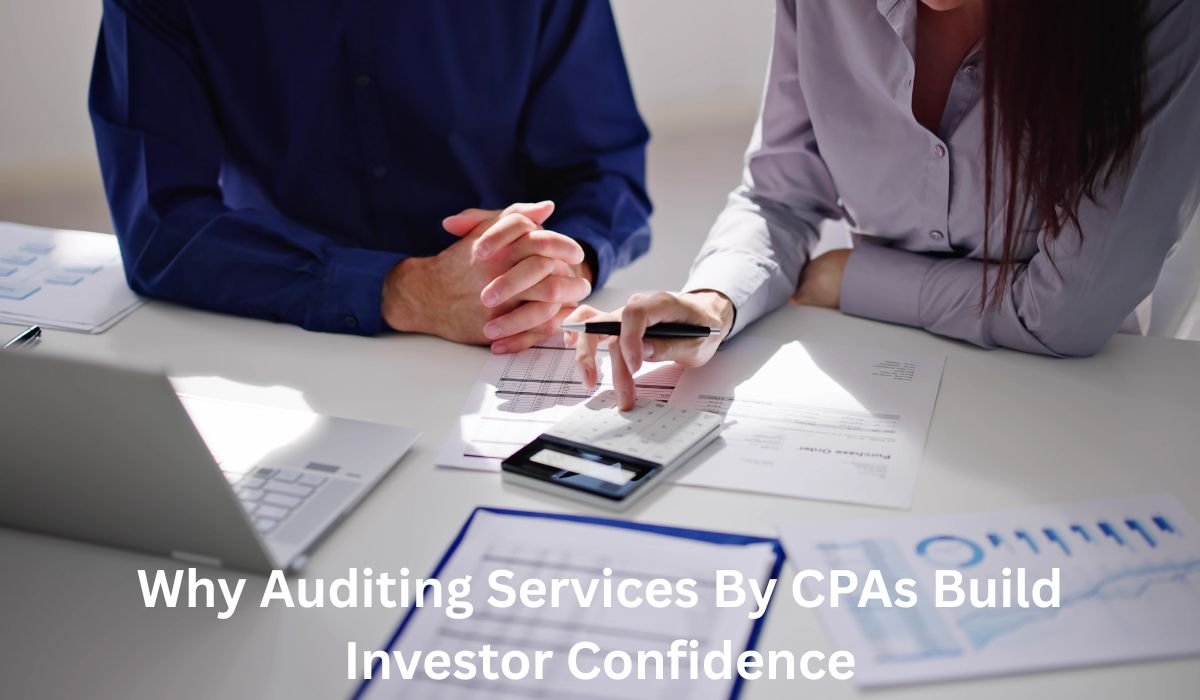
During an audit, a CPA:
- Looks at the company books and records
- Asks staff to explain how they record sales, costs, and debts
- Checks bank statements and major contracts
- Tests samples of transactions
- Looks for signs of fraud or pressure
The goal is simple. You get financial statements that follow clear rules. You also get a report that says whether those statements are fair.
Why Independent CPAs Matter
You trust an audit only if you trust the person who signs it. That is why independence matters. The CPA cannot own stock in the company. The CPA cannot make management decisions. The CPA must follow strict rules set by state boards and national standards.
You can see these rules in guidance from the U.S. Government Accountability Office Yellow Book. That guidance sets tough ethics standards for government audits. Many private audits use similar ideas. The message is clear. The auditor works for the public interest. The auditor does not work for the company story.
How Audits Support Fair Markets
Markets work only when people can trust numbers. When you see profit, loss, and debt, you want to believe those figures. Audits support that belief.
Audits help:
- Public companies that trade on stock exchanges
- Private firms that want loans
- Nonprofits that use public donations
- Local governments that use tax dollars
You see this role in guidance from the U.S. Securities and Exchange Commission on financial statements. That guidance explains how audited statements support honest markets. When rules are clear, you face fewer shocks. You can compare companies with more confidence.
Audit, Review, or Compilation
Not every service gives the same level of trust. You need to know what you are looking at. The table below shows key differences.
| Service Type | CPA Work | Assurance Level | Best Use for You |
|---|---|---|---|
| Audit | Tests records, confirms balances, assesses controls, and evaluates risk | High assurance that statements are fair | When you invest large sums or buy stock or bonds |
| Review | Uses inquiries and limited tests of data | Moderate assurance that nothing looks wrong | When you want some comfort but cost must stay lower |
| Compilation | Organizes numbers given by management into statements | No assurance about accuracy | When you only need basic statements and already know the company |
You protect yourself by checking which service the company used. Never assume all reports mean the same thing.
How Audits Cut Your Risk
You cannot erase risk. You can reduce surprises. Auditing does that in three ways.
First, audits catch clear errors. These might be wrong totals, missing bills, or misclassified loans. You avoid investing based on wrong math.
Second, audits expose weak controls. A company might let one person handle cash and record the deposit. That opens the door to theft. An auditor points out that weakness. Management must respond or face pressure from lenders and investors.
Third, audits test honesty. When numbers look too good, the auditor asks why. That pressure can stop fraud before it grows. It can also force leaders to correct mistakes in public.
Signals You Can Read as an Investor
You can use audit reports even if you are not a finance expert. Look for three things.
- The opinion type. A clean opinion means the statements are fair. A qualified or adverse opinion is a warning sign.
- The auditor name and license. A licensed CPA firm shows that trained people stand behind the work.
- Any “going concern” warning. This tells you if the auditor thinks the company may not survive the next year.
If you see a warning, slow down. Ask more questions. You can still invest. You just need to accept higher risk.
Why Local CPAs Matter to You
Trust often starts close to home. A local CPA understands your community, your banks, and your laws. You can visit the office. You can ask direct questions. You can see who signs the report.
When a business uses a local CPA, it sends a clear message. It is willing to open its books to a person you can reach. That step builds personal trust. Families who run small firms may feel less fear when they work with someone who knows local rules and customs. You gain clearer numbers and steadier relationships.
How to Use Audited Information Before You Invest
Before you put money at risk, you can:
- Read the audited financial statements and opinion
- Compare this year to past years for sales, profit, and debt
- Look for big changes and ask why they occurred
- Check if the company files reports on time
When numbers are clear and steady, your stress drops. You still need judgment. You still face market swings. Yet you are not walking in the dark.
Closing Thoughts
You work hard for your savings. You deserve honest numbers in return. Auditing services by CPAs give you tested facts, fewer shocks, and more control. When you see a firm willing to stand in the light, you gain a stronger base for each decision. That calm base is what real investor confidence feels like.