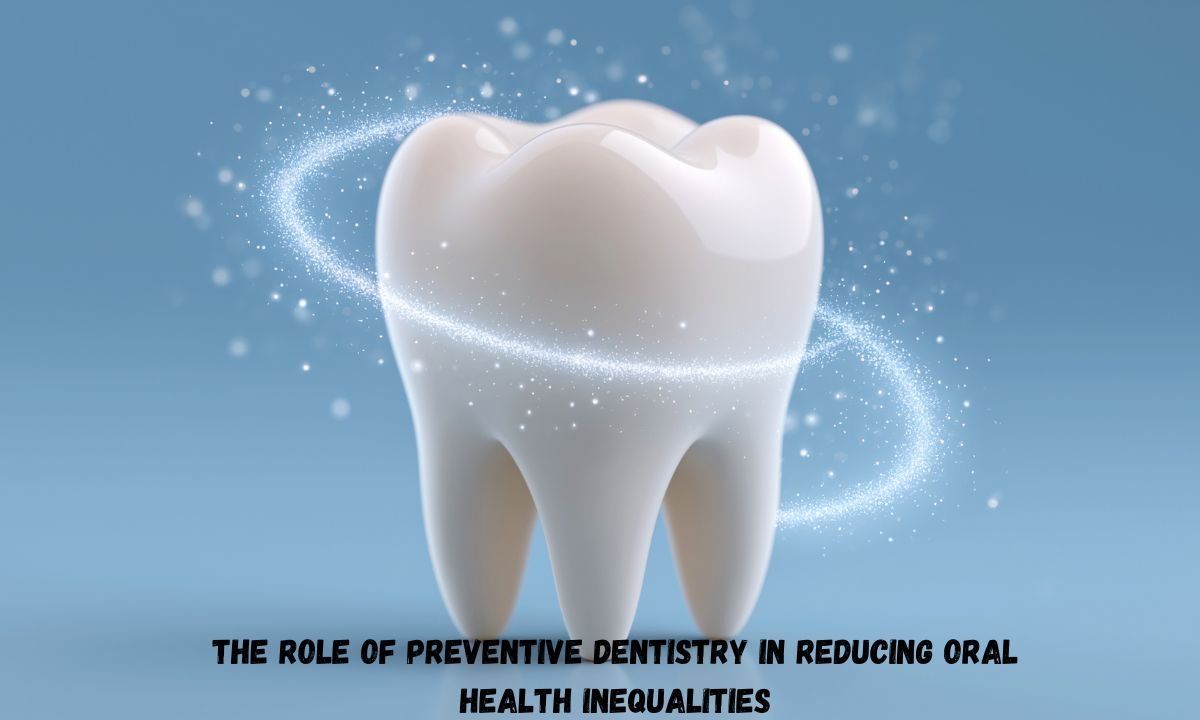
Oral health should not depend on your income, race, or ZIP code. Yet many people live with pain, missing teeth, and infections because care feels out of reach. Preventive dentistry changes that pattern. It stops small problems early. It protects children and adults from disease. It cuts long waits in emergency rooms. When you focus on cleanings, sealants, fluoride, and early checks, you reduce the need for urgent treatment. You also lower long term costs for families and communities. Every checkup, reminder, and simple habit can close a gap. A dentist in Livermore, CA sees this every day when patients who receive regular prevention keep their teeth longer and miss fewer school or work days. This blog explains how preventive care reduces oral health inequalities and how you can use these tools to protect yourself and others.
Why Oral Health Inequalities Exist
Some people see a dentist twice a year. Others wait until pain feels unbearable. That difference is not random. It often comes from three forces.
- Low income or no insurance
- Few dentists in the neighborhood
- Fear, mistrust, or past trauma
Many families work long hours and cannot leave during clinic times. Some speak a different first language and feel ignored. Children in these homes often miss early checks. Small cavities turn into deep infections. Gums bleed for years. Teeth start to shift or break. You may blame yourself. You should not. Systems failed you.
Preventive dentistry gives a simple path that fits busy lives. It offers short, low cost visits. It uses clear steps that you can follow at home. It meets you where you are.
How Preventive Dentistry Works
Preventive dentistry means regular steps that keep teeth and gums strong. Each step looks small. Together they create strong protection.
Core parts include three pieces.
- Routine cleanings and exams
- Fluoride from toothpaste, water, or treatments
- Sealants on back teeth for children and some adults
During a cleaning, the dental team removes plaque and hard buildup. They check every tooth for weak spots. They screen for oral cancer. They watch how your child’s teeth grow. They talk with you about food and drinks that raise risk.
Fluoride strengthens enamel. It helps your teeth heal small weak spots before they become holes. Community water with fluoride lowers cavities for everyone.
Sealants cover the deep grooves in molars. Food and germs cannot hide there. Studies show sealants cut cavities in those teeth by half or more.
Prevention Versus Emergency Care
Emergency visits feel scary. You may sit for hours with sharp pain. You may walk out with a large bill and only a short fix. Preventive visits feel calmer. They cost less. They protect your time and energy.
| Type of care | When it happens | Common examples | Impact on inequalities |
|---|---|---|---|
| Preventive care | On a schedule before pain starts | Checkups, cleanings, fluoride, sealants | Reduces disease and cost gaps |
| Emergency care | After severe pain or infection | Extractions, root canals, ER visits | Worsens gaps for low income families |
The National Institute of Dental and Craniofacial Research shares data that children from low-income homes have more untreated cavities than children from higher-income homes. Untreated cavities cause missed school days and lost sleep. Routine prevention cuts those losses.
How Prevention Reduces Inequalities
Preventive dentistry reduces oral health gaps in three strong ways.
1. Lower cost over time
One cleaning and exam often costs less than an emergency extraction. Three sealants cost less than one root canal. When clinics and public programs cover prevention, families avoid large surprise bills. That relief protects rent, food, and gas money.
2. Less pain and fewer missed days
Children with healthy teeth miss fewer classes. Adults with healthy mouths miss fewer work shifts. You can eat, sleep, and speak without shame. That stability supports school success and job security.
3. Fair access to simple tools
Fluoride toothpaste, a soft brush, and clean tap water should reach every home. Public health programs that give free toothbrushes, mobile sealant clinics at schools, and reminders by text reach families that clinics overlook. These simple tools shrink long-standing gaps between groups.
What You Can Do At Home
You cannot fix every barrier alone. You can still protect your mouth and your family with clear daily steps.
- Brush twice a day with fluoride toothpaste
- Clean between teeth every day with floss or small brushes
- Drink tap water if it is safe and fluoridated
- Limit sugary drinks and snacks to mealtimes
- Check your mouth and your child’s mouth for spots or pain
If you feel scared or ashamed, tell the dental team. You deserve patience and clear answers. No one should blame you for past delays.
How Communities And Clinics Can Help
Real change also needs support from schools, clinics, and public leaders. Three steps stand out.
- School based sealant and screening programs
- Mobile or evening clinics near bus routes
- Plain language forms and care in many languages
When leaders fund these efforts, more children receive sealants on time. More adults get cleanings without losing a full day of pay. Mistrust starts to fade when people feel heard and respected.
Taking Your Next Step
If you have not seen a dentist in years, you may feel nervous. Start small. Call a clinic and ask about a checkup and cleaning. Ask if they accept your insurance or public coverage. Ask about payment plans. Ask if they see children and adults together.
You deserve a mouth free of pain. Your child deserves strong teeth and a confident smile. Preventive dentistry offers a clear path toward that goal. One visit. One brushing habit. One sealant. Each step closes the gap and brings your family closer to steady health.