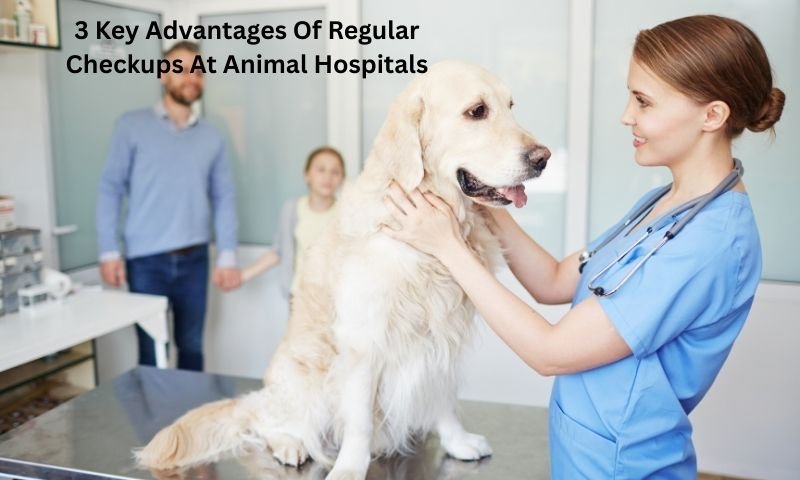
Animal hospitals play a key role in boosting community animal welfare. You might not realize how much they contribute. They provide essential services such as vaccinations, spaying, and neutering. These services improve animal health and prevent overpopulation. With a focus on care and compassion, animal hospitals ensure that animals receive prompt attention. Services like veterinary in West Hampton help educate pet owners, guiding them in responsible pet care. These hospitals also assist during emergencies, offering lifesaving treatment when every second counts. They serve as a community beacon, promoting animal welfare and support. By fostering a healthier environment for both pets and their owners, these facilities strengthen community bonds. You can see how their presence uplifts the local area. Animal hospitals serve as a foundation for health and community well-being. In supporting them, you contribute to a broader effort that benefits everyone involved. Prioritize your pet’s health and community welfare today.
Essential Services Offered
Animal hospitals offer a range of services that are crucial for pet health. Basic care includes vaccinations that protect pets from common diseases. Routine check-ups catch health issues early, improving treatment outcomes. Spaying and neutering control pet populations and reduce health risks. You can see the positive impact these services have not only on individual pets but also on the community.
Emergency Care Importance
When emergencies happen, immediate care from animal hospitals can save lives. These facilities are equipped to handle situations like accidents and sudden illnesses. Quick intervention minimizes suffering and improves recovery chances. Emergency care availability reassures pet owners, knowing help is always close by. This service is vital for maintaining community trust and security.
Education and Guidance
Animal hospitals do more than treat animals. They educate pet owners on responsible pet care. Staff provide guidance on nutrition, exercise, and preventive care. Knowledgeable pet owners can better care for their pets, leading to healthier, happier animals. This education fosters a community of informed individuals who prioritize animal welfare.
Building Stronger Communities
Animal hospitals strengthen community ties by fostering a culture of care. They work with local shelters to find homes for animals in need. By organizing vaccination drives and wellness clinics, they engage with the public and raise awareness about animal welfare. These efforts create a sense of unity and shared responsibility among community members.
Community Benefits
|
Service |
Community Impact |
|---|---|
|
Vaccinations |
Prevents disease spread |
|
Spaying/Neutering |
Controls pet population |
|
Emergency Care |
Reduces pet mortality |
|
Education |
Informs pet owners |
|
Community Events |
Encourages unity |
Animal Hospitals and Public Health
Animal hospitals indirectly support public health. By controlling pet populations and preventing diseases, they reduce risks to humans. Zoonotic diseases, which jump from animals to humans, become less of a threat. This positive impact on public health underscores the importance of supporting local animal hospitals.
Conclusion
As you see, animal hospitals are more than just healthcare providers for pets. They are pillars of community welfare and public health. Their services extend beyond medical care, touching every aspect of community life. From emergency services to educational programs, their contributions are invaluable. Supporting facilities like your local veterinarian enriches your community. Prioritize animal welfare today, and experience the lasting benefits tomorrow.