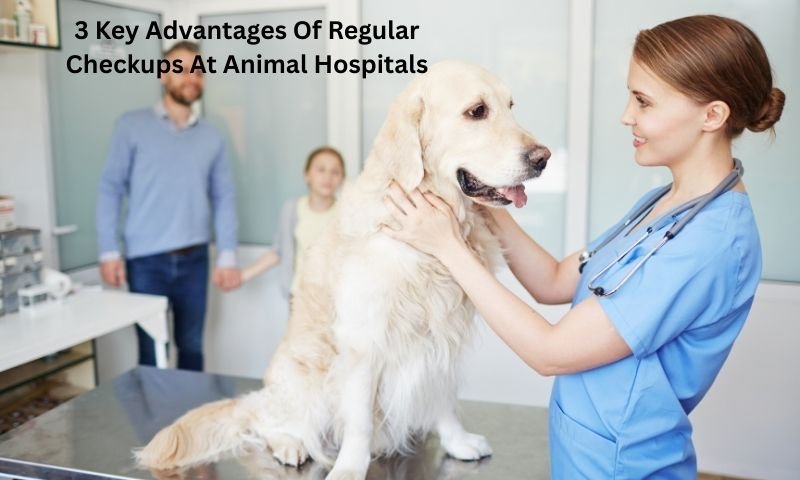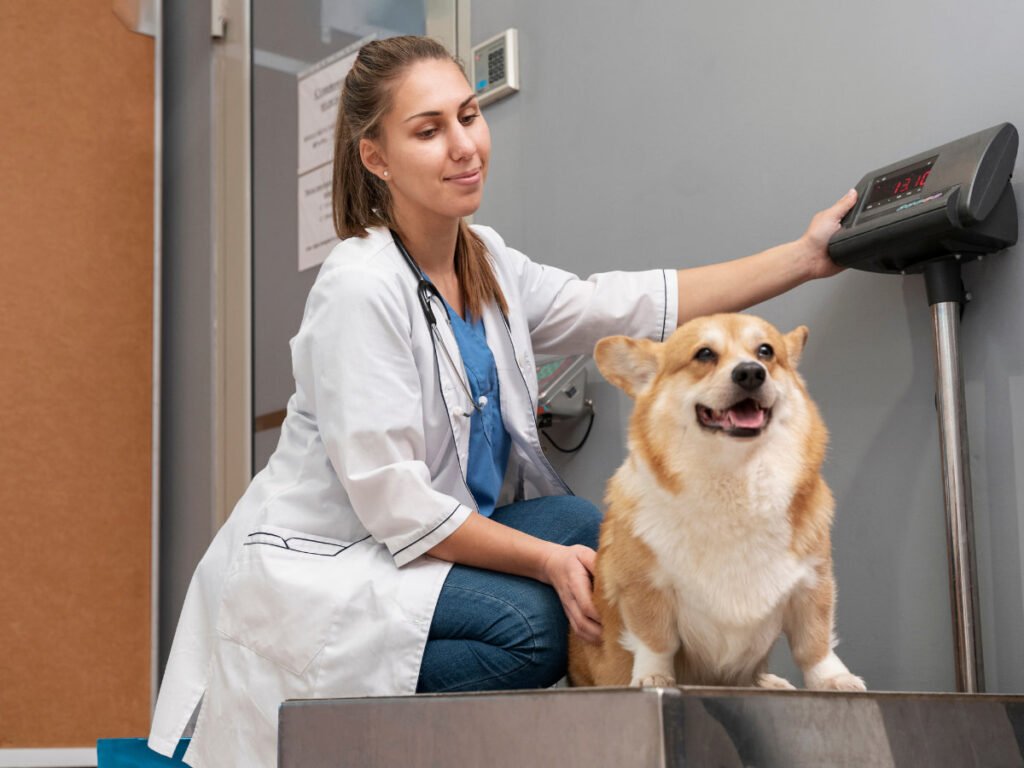
When your pet suddenly falls ill, it can feel like you’re standing at the edge of a storm. You worry, you have questions, and you need answers fast. Veterinary urgent care centers step in when every second counts. These centers provide emergency care tailored to unexpected pet health issues. Visits often start with quick symptom checks to assess the urgency. The Midlothian, VA veterinarian team stands ready to guide you through this stressful time. They use straightforward steps to ensure your pet receives attention quickly. Whether it’s an unexpected fever, sudden lethargy, or an unexplained limp, these experts know how to act swiftly. You don’t have to face these challenges alone. Knowing what to expect can ease some of the panic. In the following words, learn how these centers manage sudden pet illnesses with calm efficiency and a deep understanding of your pet’s needs.
Initial Assessment
Upon arrival, the first step is a quick assessment. Veterinary teams prioritize based on urgency. Critical conditions like breathing difficulties or severe bleeding take precedence. The goal is to stabilize your pet as soon as possible. This assessment helps determine the next steps. Immediate intervention may be necessary for some conditions. For others, a more detailed examination follows. Clear communication of symptoms aids in this process.
Common Symptoms and Actions
Recognizing symptoms early can save time. Below is a comparison of common symptoms and typical actions taken by veterinary teams.
|
Symptom |
Immediate Action |
Possible Treatment |
|---|---|---|
|
Vomiting |
Hydration Check |
Anti-nausea Medication |
|
Difficulty Breathing |
Oxygen Support |
Respiratory Therapy |
|
Lethargy |
Bloodwork |
Fluids or Medication |
Diagnostic Tools
Once stabilized, diagnostic tools come into play. X-rays, ultrasounds, and blood tests help uncover the root cause of the issue. These tools provide crucial insights. They allow veterinarians to form a clear picture quickly. The right tools facilitate swift and accurate diagnoses. You can learn more about these tools from the American Veterinary Medical Association.
Treatment Plans
With a diagnosis in hand, treatment begins. Plans often include medication, monitoring, or surgical intervention if necessary. The focus remains on providing immediate relief and long-term care solutions. Veterinary urgent care centers are equipped to handle a wide range of emergencies. They ensure your pet receives comprehensive care. This dual approach addresses immediate symptoms and any underlying conditions.
Aftercare and Monitoring
Post-treatment, aftercare is essential. Monitoring your pet’s recovery ensures the treatment’s effectiveness. Regular follow-ups with your veterinarian help track progress. They ensure adjustments are made if needed. The aim is a smooth recovery for your pet. Understanding symptoms and how to respond can prevent future emergencies.
Emotional Support
Veterinary emergencies impact pet owners emotionally. These centers provide not just medical care but emotional support. They offer guidance and reassurance during difficult times. This holistic approach eases stress and confusion. You receive compassionate care for both you and your pet. For more resources, visit the Humane Society’s Guide for Pet Emergencies.
Conclusion
In times of sudden illness, veterinary urgent care centers stand as your ally. They act swiftly and effectively, ensuring your pet receives the attention it needs. Understanding what happens in these centers can alleviate some of the worries. From initial assessments to aftercare, each step is designed to support you and your pet. Whether you’re in Midlothian, VA, or elsewhere, know that help is always available when you need it most.