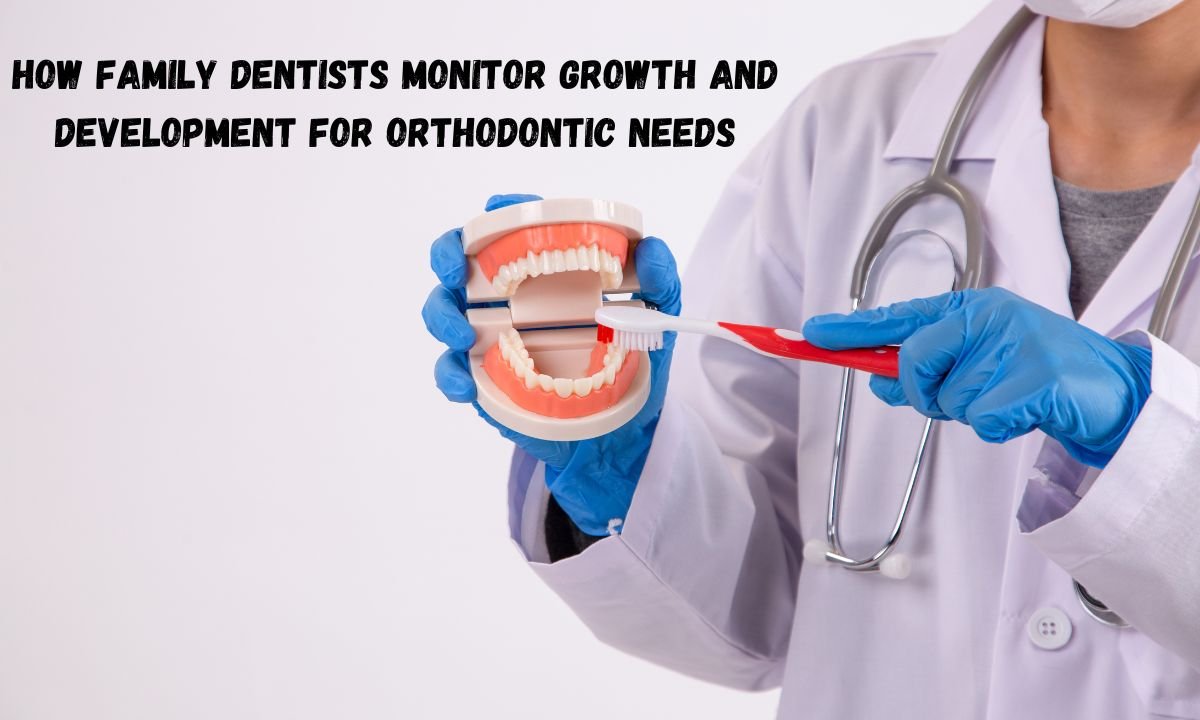
Your child’s smile changes fast. Teeth move. Jaws grow. Habits like thumb sucking or mouth breathing shift how the face develops. You may not notice early warning signs. A family dentist does. Regular visits give your dentist a clear view of how your child’s teeth and jaws grow over time. Careful tracking helps spot crowding, bite problems, and jaw misalignment long before they cause pain or shame. Early action often means shorter treatment, fewer teeth removed, and less stress for your child. A trusted dentist in Atascocita, TX looks at more than just cavities. The dentist studies your child’s bite, facial growth, and daily habits at every visit. This watchful process guides the right time for braces or other treatment. It also helps protect your child’s speech, breathing, and self respect. You gain clear answers. Your child gains a stronger, healthier smile.
Why early growth checks matter
Teeth and jaws do not grow on the same schedule. Some children grow fast. Others grow slow. Some baby teeth fall out early. Others stay in place for years. This uneven growth can twist the bite and crowd teeth.
Family dentists watch growth for three main reasons.
- To guide teeth into better positions as they come in
- To support jaw growth so the upper and lower jaws match
- To lower the need for tooth removal and complex surgery later
The American Association of Orthodontists advises that children get their first orthodontic check by age 7. Family dentists help you reach that point with records already in place. That history gives the orthodontist a clear picture of change over time.
What your dentist checks at each visit
Growth checks fit into a regular visit. You may not see every step. Yet each step adds a piece to the story of your child’s smile.
Most growth checks include three simple parts.
- Looking
- Measuring
- Tracking
During the “looking” part, the dentist checks how your child holds the lips, tongue, and jaw at rest. The dentist watches how the teeth meet when your child bites. The dentist also checks for mouth breathing, tongue thrust, and thumb or finger habits.
During the “measuring” part, the dentist may use small tools or digital scanners. These show how far teeth stick out, how much they overlap, and how crowded they are.
During the “tracking” part, the dentist compares today’s records with older records. That pattern matters more than any single visit.
Common growth and orthodontic warning signs
You can watch for simple signs at home. Share these with your dentist.
- Teeth that do not meet when your child bites
- Teeth that overlap too much
- Bottom teeth that sit in front of top teeth
- Chin that looks far back or far forward
- Frequent mouth breathing
- Snoring or restless sleep
- Speech problems that do not improve
- Cheek or lip biting while chewing
Some signs look small. Yet they can signal strain on the jaw joints, airway, or gums. The dentist links what you see at home with what shows in the mouth.
Tools family dentists use to monitor growth
Family dentists use a set of simple tools to monitor growth over time. No single tool gives all the answers. Together they form a clear picture.
- Dental X rays
- Photographs
- Impressions or digital scans
- Bite and jaw measurements
Dental X-rays show tooth roots, jawbone, and teeth that have not come in yet. Common images include a full mouth series and a panoramic X-ray. These help the dentist see missing teeth, extra teeth, or blocked teeth.
Photographs record your child’s face and smile from many angles. These show changes in lip support, jaw shape, and tooth position.
Impressions or digital scans create models of the teeth. The dentist can check how teeth fit together and how that fit changes over time.
Growth stages and orthodontic planning
Orthodontic planning depends on the growth stage. The same problem can need very different care at age 7 than at age 14. The table below shows how dentists often think about timing.
| Age range | Typical growth stage | What the dentist often focuses on |
|---|---|---|
| 3 to 6 years | All or most baby teeth | Habits, jaw growth, early bite concerns |
| 7 to 9 years | Mix of baby and adult teeth | Early crowding, crossbites, spacing, airway, and mouth breathing |
| 10 to 12 years | Mostly adult teeth | Full bite pattern, jaw balance, need for braces or expanders |
| 13 to 18 years | Late growth and finishing | Detail bite finish, wisdom teeth checks, long-term retention |
These ages are guides. Your child’s growth may not match the chart. That is why steady records from a family dentist matter so much.
How early action can change your child’s future care
Early orthodontic checks do not always mean early braces. Many times, they lead to simple steps.
- Stopping thumb or finger habits
- Helping your child keep lips together and breathe through the nose
- Guiding a single tooth into a better place
- Using a small expander to widen a narrow upper jaw
These steps can open space for adult teeth, balance the jaws, and protect the airway. Later treatment can then be shorter and calmer. Sometimes it can be avoided.
Your role in supporting healthy growth
You share this work with your dentist. You know your child’s sleep, mood, and daily struggles. The dentist knows teeth, jaws, and growth patterns. Together you can protect your child.
You can support growth in three simple ways.
- Keep regular checkups, even when teeth seem fine
- Share any worries about chewing, speech, or sleep
- Follow through on small early steps the dentist suggests
Each visit builds on the last one. Each record adds strength to the plan. Over time, your child gains more than straight teeth. Your child gains a stable bite, easier breathing, and a smile that feels safe.