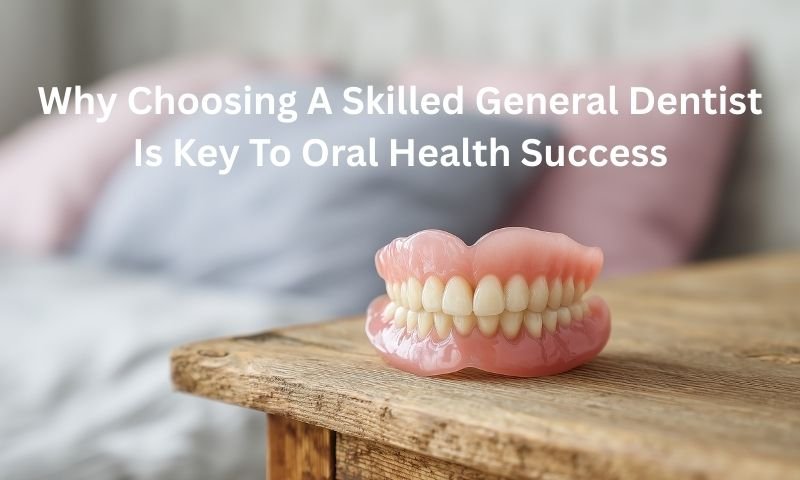
Missing teeth can change how you eat, speak, and even how you see yourself. You might avoid smiling. You might hide in photos. You might chew only on one side to get through meals. Dental implants give you a stable way to replace missing teeth. They do not slip when you talk. They do not come out at night. They stay in your mouth and act like strong tooth roots. As a result, you can bite into food, say words clearly, and smile without fear. A Periodontist in Minneapolis, MN can plan and place implants with care so they fit your mouth and your goals. This blog explains how implants support your jaw, protect nearby teeth, and steady your bite. It also shows how treatment can ease shame, worry, and social stress linked to missing teeth. You deserve a mouth that feels strong and a smile that feels honest.
What A Dental Implant Is And How It Works
You can think of a dental implant as a new root. The implant is a small post made of metal that your dentist places in your jaw. Your bone grows around this post. Then your dentist attaches a connector and a crown that looks like a tooth. The crown stays in place when you chew and speak.
The implant has three main parts.
- The implant post that sits in your jaw
- The connector that links the post and the crown
- The crown that shows when you smile
Each part has a clear job. Together they act like a tooth that you can trust every day.
How Implants Help Your Jaw And Other Teeth
When you lose a tooth, the bone in that spot can shrink. The root is gone. The bone gets less pressure from chewing. So the body pulls bone away. This can change your face shape and your bite. It can also make nearby teeth move and tilt.
Dental implants help in three key ways.
- They give your jaw bone a clear job again when you chew
- They keep nearby teeth from sliding into the empty space
- They spread chewing forces so your bite stays more even
The National Institute of Dental and Craniofacial Research explains that bone loss after tooth loss is common and can affect chewing and speech.
Implants Compared With Bridges And Dentures
You have more than one way to replace missing teeth. Each option has tradeoffs. The table below shows simple differences between implants, bridges, and full dentures.
|
Feature |
Dental Implants |
Dental Bridge |
Full Denture |
|---|---|---|---|
|
Support |
Implant in jaw bone |
Teeth on each side |
Gums and suction |
|
Stability while chewing |
High |
Moderate |
Low to moderate |
|
Bone protection |
Helps keep bone |
Little effect |
Bone can shrink |
|
Effect on nearby teeth |
Does not rely on them |
Often needs tooth trimming |
Does not change teeth |
|
Cleaning |
Brush and floss like teeth |
Brush and thread floss |
Remove and clean |
|
Typical use time |
Often many years with care |
Several years |
May need more frequent changes |
This comparison helps you see why implants often feel more natural. They work with your bone. They do not rest on your gums in the same way as dentures.
Everyday Benefits You Can Feel
Missing teeth do more than change your bite. They can shape how you live your day. Implants help you in three core parts of life.
Eating
- You can chew many foods on both sides of your mouth
- You can eat foods that you once cut into tiny pieces
- You can enjoy shared meals without fear that a tooth will move
The American Dental Association notes that strong teeth support good nutrition and whole body health.
Speaking
- You can say words without a plate slipping or clicking
- You can speak in meetings and at school events with less fear
- You can laugh without holding your mouth or turning away
Social life and self image
- You may smile more during family photos
- You may feel more ready for job talks or interviews
- You may feel less shame about your mouth when you meet new people
These changes can feel quiet at first. Over time they can shift how you see yourself and how you move through daily life.
The Steps In The Implant Process
The implant process takes time. Yet each step has a clear purpose. Knowing the path can ease fear.
- First visit. Your dentist checks your mouth, bone, and health history. You talk about goals, cost, and timing.
- Planning. You may have X rays or scans. Your dentist uses them to plan the size and place of each implant.
- Placement. The dentist places the implant post in your jaw. You go home the same day with clear care instructions.
- Healing. Your bone grows around the implant. This can take a few months. You may wear a small temporary tooth.
- Crown placement. Once the implant feels stable, your dentist attaches the connector and the final crown.
After that, you treat the implant much like a tooth. You brush. You floss. You see your dentist for checkups.
Who May Be A Good Candidate
Only a dental team can say if implants fit your needs. Yet some traits support success.
- Healthy gums with no untreated infection
- Enough bone in the jaw or the option for bone grafting
- Good daily home care habits
- No smoking or a plan to quit
- Health conditions such as diabetes under control
If you have health limits, you still may have choices. Your dentist can talk with your doctor and explain risks and choices in plain terms.
How To Care For Dental Implants
Implants can last a long time when you care for them. Your goal is to keep the gums and bone around the implant healthy.
- Brush twice a day with a soft brush
- Clean between teeth and implants each day
- Use any rinses your dentist suggests
- Keep regular checkups and cleanings
- Tell your dentist if you notice pain, swelling, or movement
You give your implants the same respect you give your natural teeth. This keeps your smile steady and your bite strong.
Taking The Next Step
Missing teeth can weigh on your mind and your daily life. You do not need to accept pain, loose dentures, or forced smiles. Dental implants offer a clear way to restore both function and confidence. You can eat with less fear. You can speak without worry. You can smile in a way that feels true.
Your next step is simple. You schedule a visit with a dental professional who understands implants. You ask direct questions. You bring your concerns. You decide together if implants match your health, your budget, and your goals. You deserve a mouth that works for you and a smile that feels like your own.