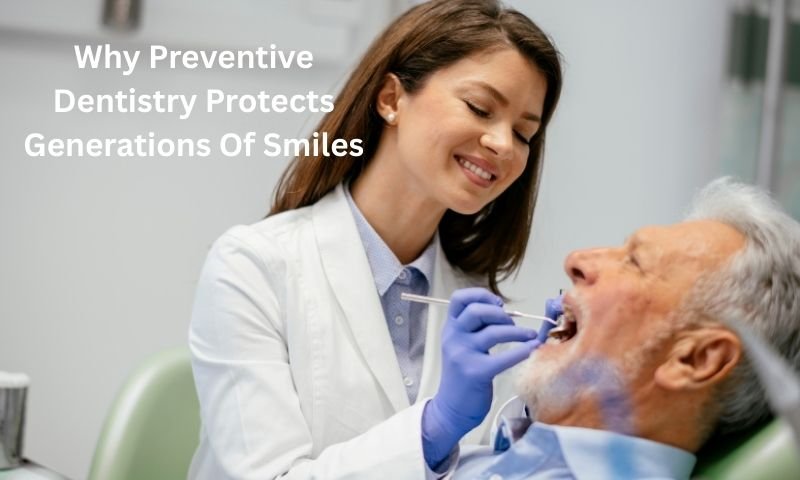
Preventive dentistry is not only about clean teeth. It is about guarding your health, your budget, and your family’s future. When you choose regular checkups and cleanings, you catch small problems before they turn into pain, infection, or lost teeth. You protect your heart, your blood sugar, and your confidence. You also set a clear example for your children. They learn that caring for their mouth is as basic as washing hands or wearing a seat belt. Over time, this simple habit spreads through a family. It reduces missed school days, emergency visits, and quiet worry about hidden disease. A Hudson general dentist can track changes early and guide you with simple steps you can keep. You gain control instead of waiting for the next crisis. Preventive dentistry is steady, practical protection that keeps smiles strong from childhood through old age.
How Your Mouth Connects To Your Whole Body
Your mouth is part of your body’s warning system. Bleeding gums, loose teeth, or mouth pain often point to bigger health problems. The Centers for Disease Control and Prevention explains that untreated gum disease is linked to heart disease, stroke, and diabetes problems.
When you keep your mouth clean and see a dentist on a set schedule, you lower swelling in your gums. In turn, you lower strain on your heart and blood vessels. You also control bacteria that can travel through your blood and reach other organs. This protects you during pregnancy, surgery, and long-term illness.
For children, healthy teeth help with clear speech, chewing, and sleep. For adults, a healthy mouth supports work, social life, and self-respect. For older adults, it helps with nutrition and safe swallowing.
Why Routine Visits Cost Less Than Waiting
Many people delay care because they fear a bill. Yet small steps now often cost far less than emergency care later. A cleaning and exam is usually cheaper than a filling. A filling is cheaper than a root canal. A root canal is cheaper than removing a tooth and replacing it.
The pattern is simple. Early care uses short visits, simple tools, and fewer medicines. Late care often needs long treatment, more visits, and complex repair.
Common Dental Problems: Early Care Versus Delayed Care
| Problem | If You Act Early | If You Wait |
|---|---|---|
| Small cavity | Short visit and small filling | Large cavity, deep pain, root canal or removal |
| Early gum irritation | Cleaning and home care change | Gum disease, loose teeth, bone loss |
| Minor tooth crack | Simple repair or crown | Tooth breaks, infection, urgent surgery |
| Baby tooth decay | Sealants, fluoride, small fillings | Pain, missed school, damage to adult teeth |
You protect your budget when you plan regular care. You can ask for estimates, set payment plans, and avoid surprise bills from emergency rooms.
Key Preventive Steps You Can Start Today
You do not need special tools to protect your mouth. You need a steady routine and support from your dental team.
At home, focus on three basic steps.
- Brush twice each day with fluoride toothpaste
- Clean between teeth each day with floss or another tool
- Limit sugary drinks and snacks to mealtimes
At the dental office, your team can strengthen these steps.
- Regular exams to check teeth, gums, and soft tissue
- Cleanings to remove hardened plaque you cannot remove at home
- Fluoride treatments to harden tooth enamel
- Sealants on children’s back teeth to prevent decay
The National Institute of Dental and Craniofacial Research shares clear guides for brushing, flossing, and healthy smiles for all ages.
Building Habits That Shape Generations
Your children watch what you do more than what you say. When they see you brush your teeth every morning and night, they see care as normal. When they see you keep dental appointments instead of canceling, they learn that health comes first.
You pass these habits in three simple ways.
- Make brushing a family routine at the same time each day
- Talk about dental visits as checkups, not as punishments
- Praise effort, such as trying to floss, not only perfect results
Grandparents can also shape these patterns. Reading stories about teeth with grandchildren, sharing photos of past dental visits, and modeling calm during treatment can remove the fear that often lingers for decades.
Preventive Dentistry Through Every Stage Of Life
Your needs change over time. Preventive care should change with you.
- Babies and toddlers. Clean gums with a soft cloth. Schedule a first dental visit by age one or when the first tooth appears.
- School age children. Use fluoride, sealants, and mouthguards for sports. Watch for thumb sucking or teeth grinding.
- Teens. Support healthy food choices. Talk about tobacco, vaping, and oral piercings.
- Adults. Manage stress, grinding, and dry mouth from medicines. Keep regular cleanings and exams.
- Older adults. Check dentures or bridges. Watch for dry mouth, sores, and trouble chewing.
At each stage, a steady partnership with your dentist gives you early warning and clear guidance.
Taking The Next Step For Your Family
You have the power to protect your health and your family’s future. You can choose steady care instead of crisis care. You can model simple habits that your children will carry into their own homes.
Start with three actions this month.
- Schedule checkups for each family member
- Set a shared brushing time in the morning and at night
- Replace old toothbrushes and stock fluoride toothpaste
Small steps now prevent pain, fear, and loss later. Preventive dentistry does more than guard teeth. It protects how you eat, speak, work, and connect with others. When you invest in that care, you protect not just one smile. You protect generations.