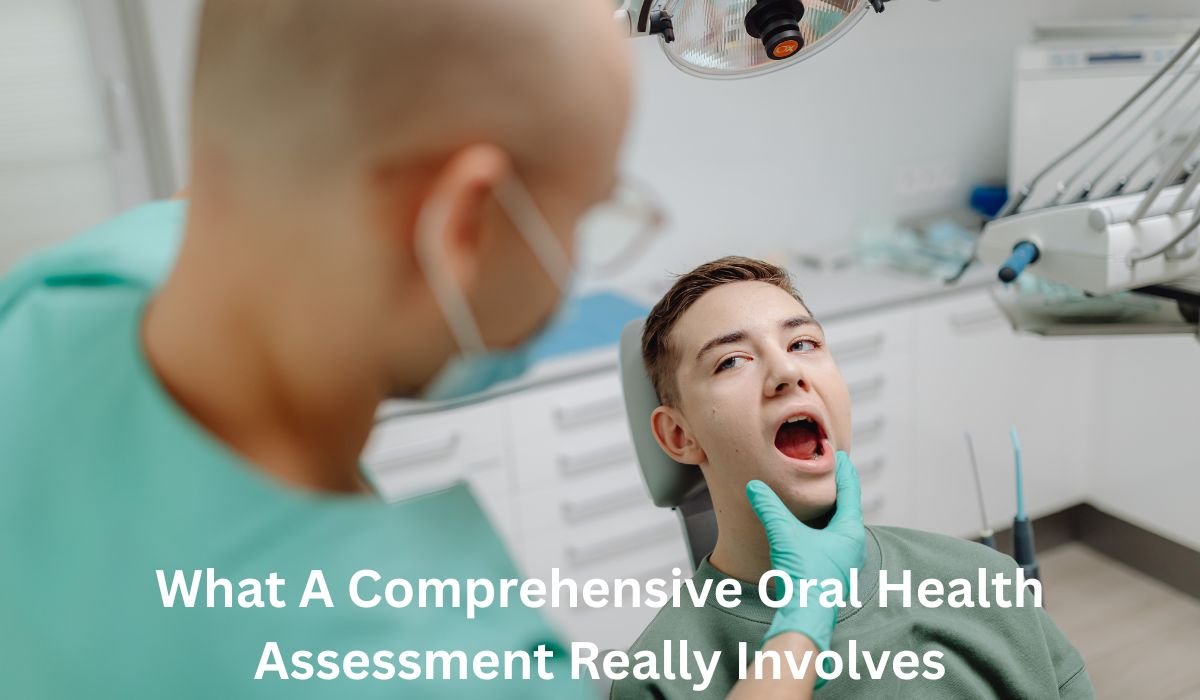
You might think an oral health check is only about counting teeth and finding cavities. It is more than that. A true assessment looks at your whole mouth and how it affects your body. During a visit with a dentist in Long Island, NY, you can expect a close look at your teeth, gums, tongue, jaw, and bite. You can also expect questions about your daily habits, pain, sleep, and past health. This helps find silent problems before they turn into infections, tooth loss, or costly emergencies. It also helps your dentist spot early signs of diseases like diabetes, heart disease, or sleep apnea. This blog explains what happens step by step. It shows what your dentist checks, why each step matters, and how you can prepare. That way you walk in ready and walk out with a clear plan.
1. Your Health Story Comes First
Before anyone looks in your mouth, your dentist asks about your health. This part matters as much as the exam.
You can expect questions about:
- Current medicines and supplements
- Past surgeries or hospital stays
- Chronic conditions like diabetes, heart disease, or asthma
- Pregnancy, birth control, or hormone treatment
- Allergies to drugs or latex
- Smoking, vaping, alcohol, and drug use
- Snoring, grinding, or jaw pain
The Centers for Disease Control and Prevention explains how health problems and mouth health connect.
2. Extraoral Exam: What Shows On The Outside
Next, your dentist checks the parts you see in the mirror.
This includes:
- Face and neck for swelling or uneven shape
- Lymph nodes for tenderness
- Jaw joints for clicks, pops, or pain
- Lips and skin for sores or color changes
This step helps find infections, joint problems, and signs of oral cancer.
3. Soft Tissue Exam: Gums, Tongue, And Cheeks
Now the focus moves inside your mouth. Your dentist uses a light and mirror and may use a small tool to move your tongue.
Your dentist checks:
- Gums for color, shape, and bleeding
- Tongue top and bottom for spots, patches, or lumps
- Cheeks and floor of mouth for sores or white or red patches
- Roof of mouth for burns or growths
The National Institute of Dental and Craniofacial Research offers clear information on oral cancer signs.
4. Periodontal Exam: How Strong Your Gums Really Are
Healthy gums hold your teeth in place. A gum exam checks that support.
During this exam, your dentist may:
- Measure pocket depths around each tooth with a thin probe
- Check where the gum meets the tooth
- Look for recession where roots show
- Note plaque and tartar build up
- Check for loose teeth
These findings show if you have gingivitis or periodontitis and how severe it is.
5. Tooth Exam: More Than Just Cavities
Your dentist then checks each tooth. This part feels slow but protects you from future pain.
Your dentist looks for:
- Cavities and soft spots
- Cracks or broken edges
- Old fillings or crowns that leak or break
- Wear from grinding or acid
- Stains that may signal diet or smoking
Your dentist may use a sharp tool to test surfaces. Your dentist may also use a light or special dye to show weak spots.
6. Bite And Jaw Assessment
Your bite affects how you chew, speak, and sleep. Small bite issues can cause big headaches.
During this part, your dentist may:
- Ask you to close, clench, and move your jaw side to side
- Check how upper and lower teeth meet
- Look for grinding or clenching signs
- Listen for jaw sounds and ask about pain
This helps spot TMJ problems, sleep apnea risk, and tooth wear patterns.
7. X Rays And Other Tests
Some problems hide under the surface. X rays help find them early.
Your dentist may order:
- Bitewing X rays to check for cavities between teeth
- Periapical X rays to see the whole tooth and root
- Panoramic X rays to see jaws, sinuses, and wisdom teeth
In some cases your dentist may use photos or digital scans. These help track changes over time and plan treatment.
8. How A Routine Check Differs From A Full Assessment
You might wonder how this differs from a quick check. The table shows key differences.
| Part Of Visit | Routine Check | Comprehensive Assessment |
|---|---|---|
| Medical history | Basic update | Full review of conditions, medicines, and risks |
| Soft tissue exam | Quick look | Systematic check of tongue, cheeks, lips, floor, and roof |
| Gum exam | Visual check | Measured pockets, recession, and bone loss signs |
| Tooth exam | Focus on pain or obvious decay | Tooth by tooth charting of decay, cracks, and old work |
| Bite and jaw | Basic closing check | Jaw movement, joint sounds, and wear pattern review |
| X rays | As needed | Planned set based on age and risk |
| Care plan | Short term focus | Written plan with short, mid, and long term steps |
9. Your Personal Care Plan
After the exam your dentist explains what was found. You should hear three clear things.
- What needs urgent care
- What needs care soon
- What you can prevent with home care
Your plan may include:
- Cleanings on a set schedule
- Fillings or crowns for damaged teeth
- Gum treatment to stop infection
- Night guard for grinding
- Referrals to a doctor if mouth signs suggest a body disease
10. How You Can Prepare For Your Visit
You can make the assessment smoother and more accurate with a few steps.
- Bring a list of medicines and doses
- Write down symptoms like pain, bleeding, or bad breath
- Note any jaw clicks, headaches, or sleep problems
- Bring your dental records if you changed offices
- Share fears or past bad experiences so your team can adjust
11. Why This Level Of Detail Matters For Your Family
A full oral health assessment protects more than your smile. It protects your sleep, your ability to eat, and your long term health.
For children it can catch growth problems and habits early. For adults it can show early disease signs. For older adults it can prevent tooth loss and nutrition problems.
You deserve clear information and a calm plan. With a thorough assessment you and your dentist work together. You get a mouth that feels steady and a body that faces fewer hidden threats.