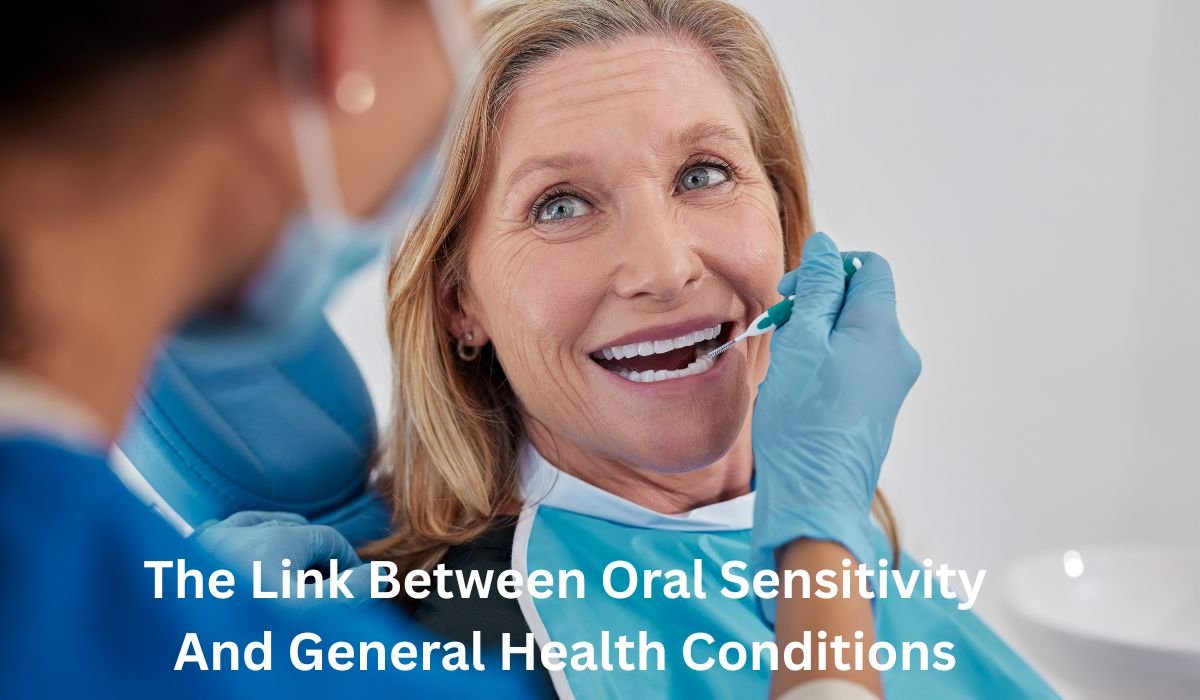
Your mouth often tells you when something is wrong before the rest of your body does. Sudden pain from cold water, burning from toothpaste, or discomfort when you chew are not small annoyances. They can signal deeper health conditions that need attention. Many heart problems, diabetes, autoimmune disorders, and stomach issues first show up as changes in your teeth, gums, or tongue. You might ignore these early warnings or blame them on stress, age, or a busy week. That delay can cost you comfort, money, and peace of mind. A trusted family dentist in Jackson, OH can spot patterns that connect oral sensitivity with wider health concerns. Regular visits help you catch problems early and protect your whole body, not just your smile. This connection between your mouth and your general health is strong, and understanding it gives you real power over your long term wellbeing.
What Oral Sensitivity Really Means
Oral sensitivity is any pain, sting, burn, or odd feeling in your teeth, gums, tongue, cheeks, or jaw. You might notice it with hot soup. You might feel it with ice water. You might feel it when you brush or when you bite into bread.
You may notice:
- Sharp pain with hot or cold drinks
- Tingling or burning on the tongue or lips
- Sore or bleeding gums when you brush or floss
- Dry mouth that makes swallowing or talking hard
- Jaw pain or tightness when you chew or wake up
These signs can come from simple causes like worn enamel or a small cavity. Yet they can also point to wider health problems that need medical care.
How Oral Sensitivity Connects To General Health
Your mouth has many blood vessels and nerves. It sits close to your brain, heart, and lungs. Infection and swelling in the mouth do not stay in one spot. They can move into the blood and affect other organs.
The Centers for Disease Control and Prevention explains that poor oral health links to heart disease, diabetes, and pregnancy problems. That link runs both ways. Body diseases can also show up first in the mouth.
Three main paths connect oral sensitivity and general health.
- Inflammation. Swollen gums release chemicals that strain the heart and blood vessels.
- Infection. Mouth bacteria can enter the blood and reach the heart or lungs.
- Immune changes. Autoimmune and blood disorders can cause mouth sores or gum changes.
Common General Conditions Tied To Oral Sensitivity
You may feel alone when your mouth hurts. You are not. Many common health problems share a link with oral pain or sensitivity.
Examples Of Oral Sensitivity Links With General Conditions
| Body Condition | Possible Mouth Signs | Why It Happens |
|---|---|---|
| Diabetes | Sore gums, loose teeth, dry mouth, slow healing | High blood sugar feeds mouth bacteria and weakens healing |
| Heart Disease | Red, swollen, bleeding gums | Gum infection links with swelling in blood vessels |
| Autoimmune Disorders | Mouth sores, burning tongue, dry mouth | Immune system attacks mouth tissues and saliva glands |
| Stomach Reflux | Enamel loss, tooth sensitivity to hot and cold | Stomach acid reaches the mouth and eats enamel |
| Blood Disorders | Pale gums, long bleeding after brushing | Low blood cells or clotting problems change gum health |
When Mouth Sensitivity Signals An Emergency
Not every sting is an emergency. Still, some signs mean you should act fast. You protect your body when you do not wait.
Call a dentist or doctor right away if you notice:
- Sudden severe tooth or jaw pain with chest pain or short breath
- Very swollen face or jaw with fever or trouble swallowing
- Bleeding in the mouth that does not stop after 10 minutes of pressure
- New mouth sores that last more than two weeks
- Fast spreading redness or streaks from the mouth or jaw
The National Institute of Dental and Craniofacial Research lists many mouth conditions that need prompt care. Mouth pain plus fever, weakness, or chest pain should never wait.
How Your Dentist And Doctor Work Together
You stay safer when your dentist and doctor share key information. Each one sees a different part of your health story. Oral sensitivity often sits at the center of that story.
Your dentist can:
- Notice patterns of gum disease that link to heart or blood pressure problems
- Spot dry mouth from medicines for blood pressure, mood, or allergies
- See enamel wear from reflux or sleep apnea mouth breathing
- Find mouth sores that may link to autoimmune or blood conditions
Your doctor can:
- Check blood sugar if gum disease keeps coming back
- Review medicines that raise your risk for dry mouth or bleeding
- Order tests when mouth changes suggest a wider disease
You help both when you share:
- A list of your medicines and supplements
- Any new diagnosis or recent hospital visit
- Family history of heart disease, stroke, or diabetes
Practical Steps To Protect Mouth And Body
You cannot control every disease. You can control daily habits that ease oral sensitivity and lower body risk.
Try three simple steps.
First, build a steady home routine.
- Brush two times each day with fluoride toothpaste and a soft brush
- Floss or use a water flosser once each day
- Use alcohol free mouth rinse if your dentist suggests it
Second, watch what you eat and drink.
- Limit sugary drinks and snacks
- Rinse with water after coffee, soda, or juice
- Choose water instead of sports drinks most of the time
Third, keep regular checkups.
- See a dentist at least once a year, more often if advised
- Schedule a medical exam if your dentist sees warning signs
- Write down any new mouth symptoms and when they started
Helping Children And Older Adults With Oral Sensitivity
Children and older adults often do not speak up about mouth pain. You may need to watch for quiet signs.
For children, look for:
- Refusal to eat hot or cold foods
- Crying during brushing
- Bad breath that does not go away
For older adults, watch for:
- New trouble chewing or swallowing
- Loose or broken teeth
- Dry, cracked lips or tongue
These signs can point to cavities, gum disease, poor diet, or medicine side effects. They can also point to diabetes, stroke effects, or immune problems. Quick dental care and medical review can bring relief and protect health.
Take Mouth Changes Seriously
Your mouth is not separate from your body. It is part of one system that keeps you alive. Oral sensitivity is your early warning. When you notice new pain, burning, or bleeding, you have a choice. You can wait and hope it fades. Or you can act and protect your health.
Choose to act. Ask questions. Keep both dental and medical visits. You guard your heart, your blood, and your strength when you listen to what your mouth is showing you.