Many pet owners delay care because of fear, cost, or old stories that are simply not true. This can leave your animal in pain and you feeling guilty. This blog clears up three common myths about veterinary clinic services so you can decide with calm and facts. You will see why regular visits protect your pet, how prices really work, and what your options are during a crisis. You will also learn how a Dallas veterinarian approaches care for both routine checkups and sudden problems. Each myth is broken down into plain language. Then you get the truth, with clear steps you can use today. When you understand what clinics actually do, you can ask better questions and push for what your pet needs. Your pet depends on you. You deserve straight answers, without pressure or confusion.
Myth 1: “My Pet Looks Fine, So We Can Skip Checkups”
You might look at your pet and see bright eyes and normal behavior. You then think there is no need for a clinic visit. This feels safe. It is not.
Many health problems grow in silence. Heart disease, kidney trouble, and dental disease often start with no clear signs. By the time you see clear changes, your pet may suffer more and treatment may cost more.
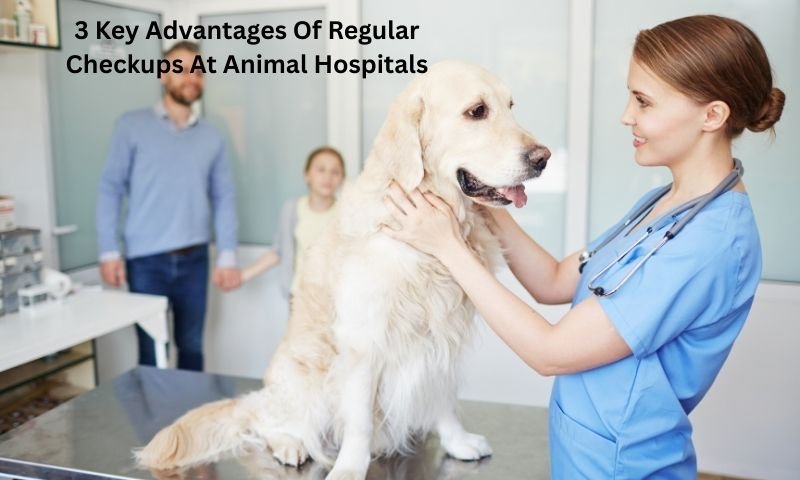
Routine visits catch problems early. During a yearly exam your veterinarian will usually
- Check weight and body shape
- Listen to the heart and lungs
- Look at teeth, gums, eyes, and ears
- Review vaccines and parasite control
- Discuss behavior and diet
The American Veterinary Medical Association explains that pets age faster than people and often need at least one wellness visit each year.
Here is a simple comparison of waiting for problems versus regular checkups.
| Approach | What Usually Happens | Impact on Your Pet |
|---|---|---|
| Wait until pet looks sick | Problems found late during a crisis visit | More pain and fewer treatment choices |
| Yearly wellness visit | Problems found early during routine checks | Less pain and more treatment choices |
When you keep regular checkups, you give your pet a better chance at a longer, steadier life.
Myth 2: “Vets Only Want To Sell Expensive Tests And Treatments”
Money fear is heavy. You may worry that every visit will turn into a list of tests and services that you cannot afford. You may feel cornered. You are not.
Most clinics follow clear medical steps. They start with a history and a physical exam. Then they explain what they see. Only after that do they suggest tests or treatment choices. Many clinics use a “good, better, best” style plan so you can see options at different cost levels.
You always have the right to ask three direct questions.
- What is the goal of this test or treatment
- What happens if we wait
- Is there a lower cost option that still helps
You can also ask for an estimate in writing. A clear estimate shows each service, the cost, and any follow up needs. This supports trust and control.
The Iowa State University College of Veterinary Medicine offers guidance on planning and budgeting for care.
The table below shows common cost fears and what usually happens at a clinic.
| Common Fear | What You Can Expect | Simple Step You Can Take |
|---|---|---|
| “I will be forced into one high price plan.” | Most clinics offer more than one plan. | Ask for at least two options and compare. |
| “I will not know the cost until it is too late.” | Clinics can give written estimates before care. | Request a printed or emailed estimate. |
| “I will be judged if I say no.” | Clinics see many budgets and needs. | Be honest about money limits at the start. |
When you ask clear questions and set limits early, you share control of the care plan. This lowers stress for you and your pet.
Myth 3: “Emergency Clinics Are Only For Life Or Death Cases”
Many people think emergency clinics are only for extreme trauma. They picture awful crashes or deep wounds. So they stay home and hope things improve. This delay can turn a treatable problem into a crisis.
Here are clear signs that need emergency or urgent care.
- Struggling to breathe or breathing very fast
- Repeated vomiting or diarrhea, especially with blood
- Refusing food and water for a full day
- Sudden trouble walking or standing
- Seizures, collapse, or loss of consciousness
- Known poison exposure, such as human medicine or chemicals
- Major cuts, heavy bleeding, or bite wounds
If you are unsure, you can call your regular clinic or a 24 hour clinic and describe what you see. Staff can tell you if it is safe to watch at home for a short time or if you should come in now.
Emergency teams are trained to handle both life threatening events and urgent but treatable problems. Their goal is to stabilize your pet, ease pain, and then plan the next steps.
This simple table shows how to think about urgent needs.
| Situation | Action You Should Take | Reason |
|---|---|---|
| Mild limp but still walking and eating | Call your regular clinic for the next open visit. | Problem may be real but not an emergency. |
| Sudden collapse or severe breathing trouble | Go to an emergency clinic right away. | Delay can be deadly. |
| Repeated vomiting in a puppy or older pet | Seek same day care. Use emergency if needed. | Risk of fast dehydration and organ damage. |
When in doubt, choose safety. A short visit is better than a long regret.
How You Can Use This Information Today
You do not need to change everything at once. You can start with three simple steps.
- Schedule the next routine exam for each pet.
- Ask your clinic for a written estimate style template.
- Save the phone number and address of the nearest emergency clinic.
These steps give you a plan before fear and worry take over. They also show your veterinarian that you want open, honest talk. That partnership protects your pet and eases your mind.