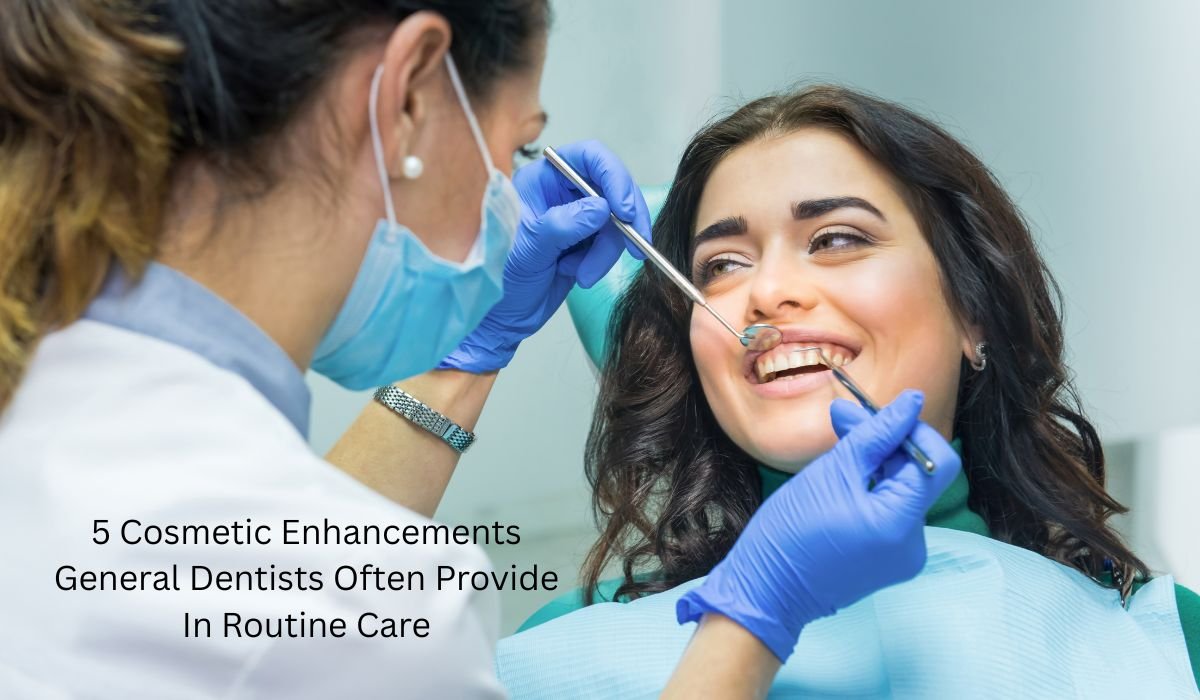
You might not think of your general dentist as someone who can change your smile in big ways. Yet many of the cosmetic treatments you hear about happen right in the same chair where you get cleanings and exams. A Carmel Hamlet dentist can often brighten dark teeth, repair chips, close small gaps, and smooth rough edges during routine visits. These changes can be quick. They can also be gentle on your schedule and your budget. This blog walks through five common cosmetic enhancements that general dentists often provide as part of everyday care. You will see how small steps can ease shame, restore confidence, and help you feel ready to smile in photos, at work, and with family. You do not need a specialist to start. You only need to know what to ask for at your next appointment.
1. Professional teeth whitening during checkups
Stains from coffee, tea, smoking, or aging can leave you feeling exposed. You might hide your teeth when you laugh. You might avoid close photos. Professional whitening gives you a safer path than random online kits.
Many general dentists offer three basic options during routine care.
- In office whitening with stronger gel and close monitoring
- Custom trays for you to use at home
- Touch up whitening during cleaning visits
Research from the National Institute of Dental and Craniofacial Research shows that supervised care reduces risk of gum burns and enamel damage. You get a clear plan. You get a set start and stop time. You also get honest talk about what shade is realistic for your teeth.
You should ask about sensitivity. You should also ask how often you can safely repeat treatment. A calm talk now prevents pain later.
2. Tooth colored fillings that also improve your smile
Older metal fillings can darken your smile. They can catch your eye every time you look in the mirror. Many general dentists now use tooth colored composite fillings that blend with your natural teeth.
These fillings do three things at once.
- Repair decay
- Strengthen the tooth
- Improve the look of your smile
Your dentist can also replace some old metal fillings with tooth colored material. This is not only about looks. It often lets the dentist check for hidden cracks or new decay around worn fillings.
The Centers for Disease Control and Prevention explains that untreated decay leads to infection and tooth loss. A filling that matches your tooth gives you health and a cleaner look at the same time.
3. Dental bonding for chips, gaps, and uneven edges
A small chip or gap can feel bigger than it looks. You might replay the moment it happened. You might feel a sting every time your tongue finds the rough spot. Dental bonding offers a simple fix that many general dentists do in one visit.
During bonding your dentist does three key steps.
- Roughens the tooth surface
- Applies tooth colored resin
- Shapes and polishes it to match your other teeth
Bonding can
- Close small spaces between teeth
- Lengthen short teeth
- Cover stubborn stains
- Smooth worn or jagged edges
This option often costs less than crowns or veneers. It also usually keeps more of your natural tooth. You still need cleanings and care at home because bonded teeth can stain from coffee, wine, or tobacco.
4. Contouring and reshaping teeth during routine visits
Sometimes the shape of your teeth bothers you more than the color. One front tooth may look longer. A canine tooth may look too sharp. Minor contouring lets your dentist gently file and shape the outer enamel.
Contouring can help when you want to
- Even out small chips
- Shorten a long tooth
- Round a sharp point
- Create a more even smile line
This procedure works best when the changes are small. Your dentist reviews x rays to make sure there is enough enamel to remove safely. You should ask how much change is safe in one visit. You should also ask if contouring will affect tooth strength.
5. Simple cosmetic improvements with crowns and veneers
General dentists often place crowns and limited veneers as part of routine care. These can protect weak teeth and also change shape, color, and alignment.
Crowns cover the whole tooth. They are useful when teeth are cracked, heavily filled, or worn. Veneers cover the front surface only. They can help when teeth are stained, uneven, or slightly crooked.
Your dentist may suggest crowns or veneers when
- Bonding is not strong enough
- Teeth have large old fillings
- You grind your teeth
You should ask how long each option usually lasts, how much tooth needs to be removed, and what happens if the veneer or crown chips.
Quick comparison of common cosmetic enhancements
| Treatment | Main purpose | Typical time in chair | Lasts how long | Best for |
|---|---|---|---|---|
| Professional whitening | Lighten tooth color | About 60 to 90 minutes | Months to a few years with touch ups | Stains from food, drinks, aging |
| Tooth colored fillings | Repair decay and blend with tooth | About 30 to 60 minutes per tooth | Many years with good care | Cavities or old metal fillings |
| Dental bonding | Fix chips and small gaps | About 30 to 60 minutes per tooth | Several years | Minor shape or size changes |
| Contouring | Smooth and reshape enamel | About 15 to 30 minutes | Permanent change to enamel | Small shape fixes on healthy teeth |
| Crowns or veneers | Change shape and protect tooth | Two or more visits | Often 10 years or more | Worn, cracked, or discolored teeth |
How to talk with your general dentist about cosmetic changes
You do not need a script. You only need to be honest about what bothers you. You can use three simple steps.
- Point to the teeth that worry you when you look in the mirror
- Explain when you notice the problem most such as photos or eating
- Ask what can be done during regular care and what might need a specialist
You should also ask about cost, number of visits, and how long each option tends to last. A good dentist will match your goals with safe treatment, not pressure you into more than you need.
Your smile is part of how you move through the world. It shapes how you speak, eat, and connect with other people. Small, steady changes during routine dental visits can ease old shame and help you feel more at ease in your own skin.