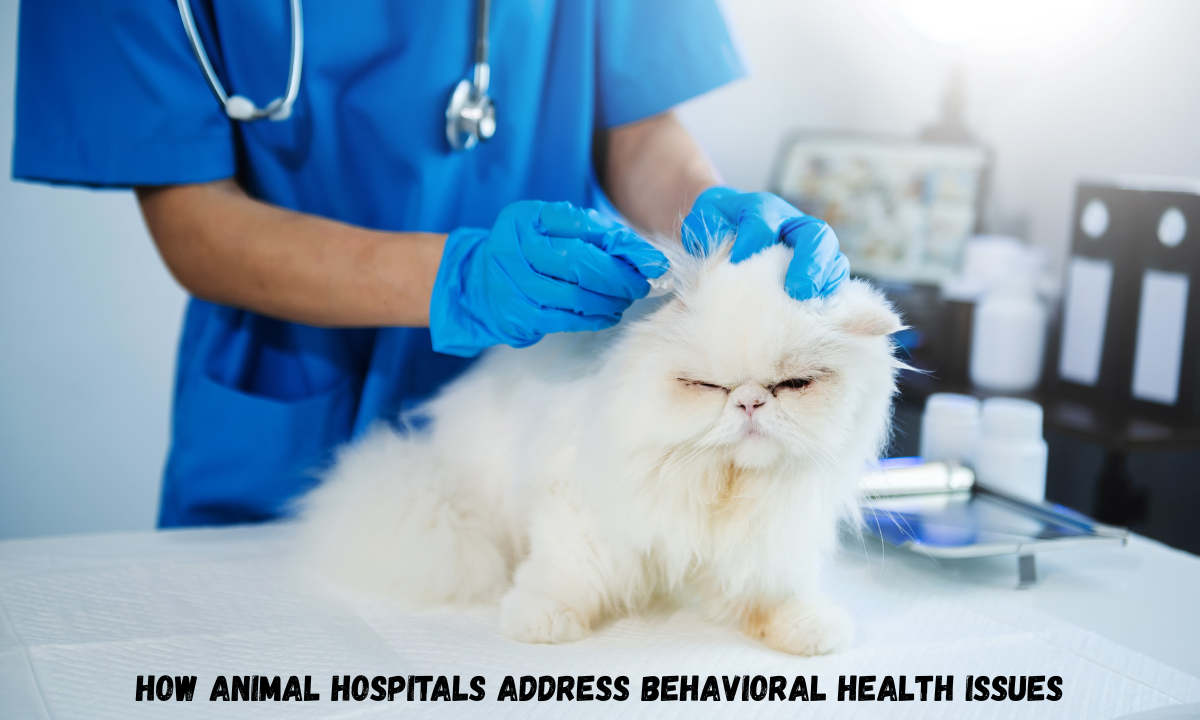
When your pet acts scared, angry, or out of control, you feel stressed and helpless. You also may feel ashamed to ask for help. Animal hospitals see this pain every day. They know behavior problems are not bad manners. They are signs of fear, confusion, or past hurt. In many clinics, including those led by a veterinarian Sugar Land, TX, teams now treat behavior like any other health concern. They watch how your pet moves, reacts, and communicates. Then they build a simple plan you can follow at home. You do not have to face biting, barking, hiding, or house soiling alone. You can expect clear steps, honest talk, and steady support. This blog explains how animal hospitals look at behavior, what help they offer, and how you can speak up for your pet. Your concern is valid. Your pet’s behavior can change.
Why Behavior Is A Health Issue
Behavior comes from the brain and body. Pain, hormones, past trauma, and daily stress all shape how your pet acts. You may only see the growl or the scratch. The hospital team sees a health puzzle that needs care.
You can think about three roots of behavior trouble.
- Medical causes such as pain, thyroid disease, or brain injury
- Environmental causes such as noise, crowding, or lack of exercise
- Learning causes such as past punishment or lack of training
Each root calls for a different plan. This is why a full checkup matters before anyone labels a pet as mean or stubborn.
First Step At The Animal Hospital
The first visit for a behavior concern usually feels different from a quick vaccine visit. The team needs time to listen and observe. They do three key things.
- Ask a long history about home life, past events, and daily routine
- Do a full physical exam to look for pain or disease
- Watch your pet’s body language in a calm, safe way
You should expect honest questions. You might feel judged. The team is not there to blame you. They want the full story so they can protect both you and your pet.
Sometimes they need lab tests or imaging. This helps rule out hidden pain or illness. The goal is simple. Do not miss a medical problem that drives the behavior.
Common Behavior Problems Animal Hospitals See
Many families feel alone with behavior stress. The truth is that hospitals see the same patterns every day.
| Behavior Problem | What You Might See | Common Health Links |
|---|---|---|
| Fear and anxiety | Hiding, shaking, pacing, drooling, clingy behavior | Pain, noise sensitivity, past trauma |
| Aggression | Growling, snapping, biting at people or other pets | Arthritis, dental pain, poor vision, poor hearing |
| House soiling | Urinating or defecating indoors after training | Urinary infection, kidney disease, bowel disease |
| Compulsive acts | Tail chasing, chewing, licking the same spot | Skin disease, allergies, nerve pain |
| Destruction | Chewing furniture, scratching doors, shredding items | Separation anxiety, lack of exercise, boredom |
This table shows a hard truth. Many “bad” behaviors are pain or fear calling for help. When you bring your pet to the hospital, you give them a voice.
How Animal Hospitals Build A Treatment Plan
Once the team understands the cause, they build a plan. The plan usually has three parts that work together.
- Medical treatment to ease pain or disease
- Behavior change steps you use at home
- Safety steps to protect people and pets during healing
Medical treatment can include pain control, hormone care, or other drugs. Sometimes they use short term behavior medicine. This can calm panic so your pet can learn new habits.
Behavior change steps may include.
- Reward based training to teach safe, calm choices
- Slow exposure to scary triggers in a controlled way
- Change in routine to add exercise, play, and rest
Safety steps may include baby gates, crates, leashes, or muzzle training. These tools protect everyone while your pet learns. They also lower your stress, which helps you stay calm and clear.
Role Of The Veterinary Team
Many hospitals use a team model. You may meet three types of helpers.
- The veterinarian who rules out medical causes and sets the main plan
- The veterinary technician who coaches you on daily steps and handling
- The trainer or behavior specialist who guides you through behavior work
You should feel safe asking questions. You can ask what each person does, what to expect, and how to reach them between visits. Clear roles help you trust the process.
What You Can Do At Home
Your daily choices shape how fast behavior changes. You can focus on three things.
- Consistency. Use the same cues, rules, and rewards every day
- Calm. Keep your voice low and your body slow, even when you feel upset
- Control. Prevent trouble by managing doors, guests, and kids around your pet
You should avoid hitting, yelling, or harsh tools. These can increase fear and aggression. They also damage trust. Your pet learns best through clear rewards for calm behavior.
When To Ask For Specialized Help
Some cases need a board certified veterinary behaviorist or a trainer with behavior training. You should ask for this level of help if.
- Your pet has bitten or attacked
- You fear for the safety of family or other pets
- Previous training made behavior worse
- Your pet stops eating, playing, or sleeping
Your regular hospital can refer you to a specialist. You can also ask them to work as a team so you do not have to carry the burden alone.
How To Talk With Your Animal Hospital
Honest talk with your hospital protects your pet and your family. You can prepare for the visit with three simple steps.
- Write a log of behavior events with dates and times
- List all current medicines, supplements, and past training tools
- Decide your safety limits and goals for your home
During the visit, say what scares you most. Say what you can do and what you cannot do. Clear truth allows the team to build a plan that fits your life.
Hope For You And Your Pet
Behavior problems can break trust at home. They can strain marriages and scare children. They can also lead to surrender or euthanasia when families feel trapped. Animal hospitals work every day to stop that hurt.
You are not alone. When you treat behavior as health, you open a path to change. With a careful exam, a clear plan, and steady teamwork, your pet can feel safe again. Your home can feel calm again. Your choice to ask for help is an act of courage and care.