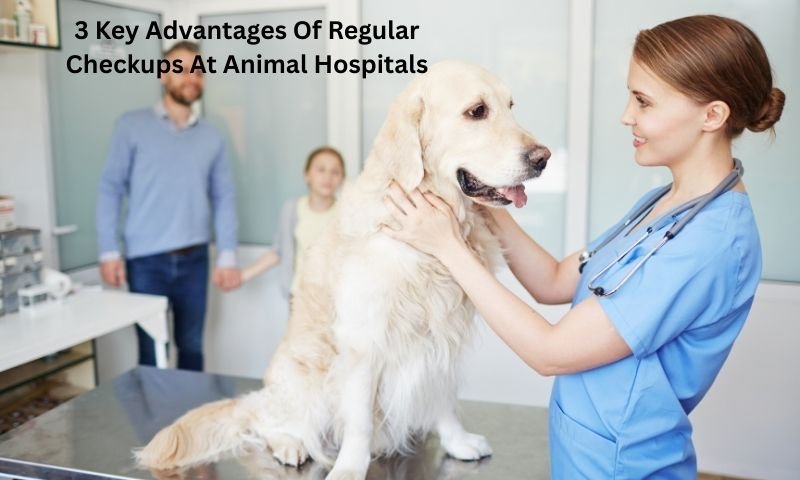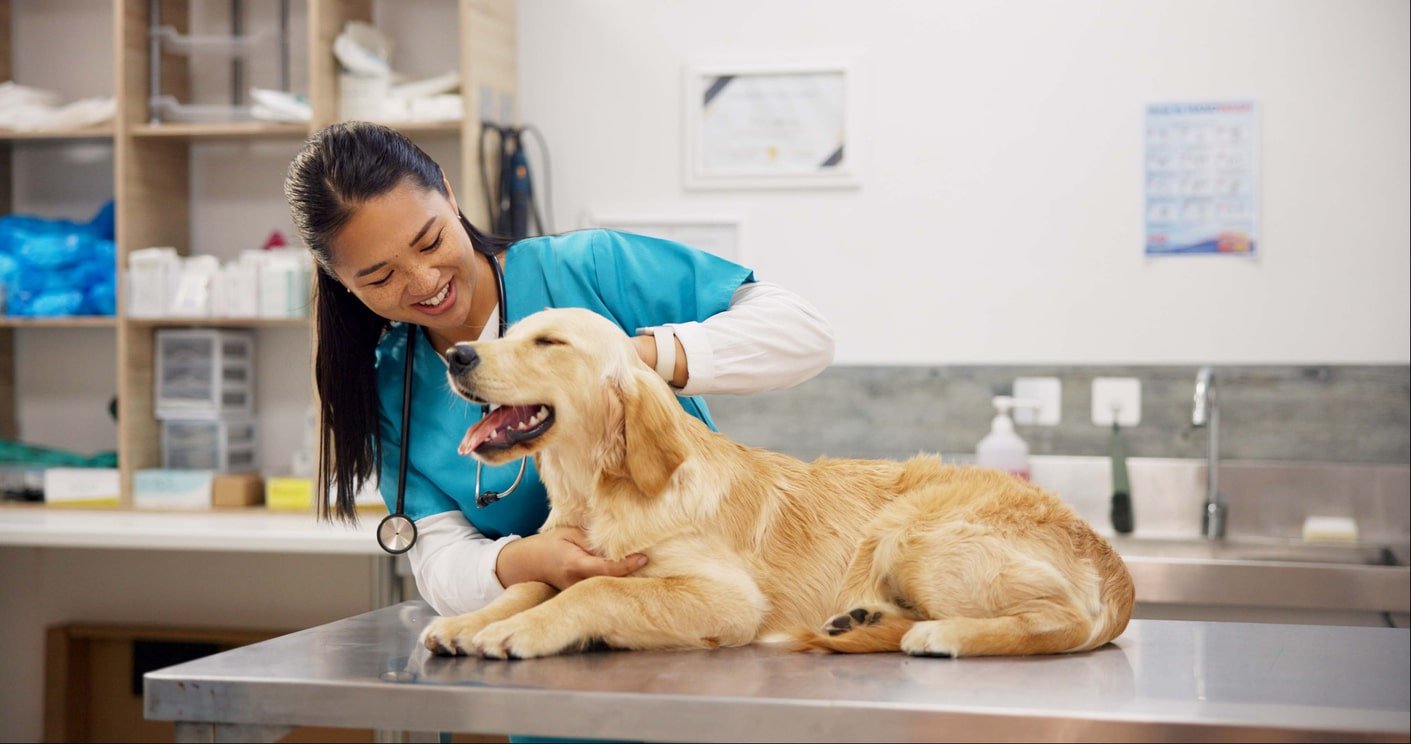
You rely on your veterinarian to help keep your pets healthy. Local veterinary clinics, including the trusted veterinarian Princeton, WV, play a crucial role in spotting diseases early. Early detection means easier management and better outcomes for your pets. Regular check-ups can spot problems before they become serious. These check-ups are not just routine visits; they are opportunities for early diagnosis. Your veterinarian uses their expertise to notice subtle signs of disease. They understand the early stages of common pet illnesses. This knowledge helps in creating a care plan that keeps your pet healthy. Veterinary clinics use routine exams to monitor changes in weight, behavior, or eating habits. These small changes might indicate bigger health issues. Make regular visits to your veterinarian part of your pet care routine. Doing so ensures your pet lives a longer and healthier life. Trust in your veterinarian’s role in maintaining your pet’s well-being.
Importance of Regular Veterinary Visits
Making regular visits to the vet can significantly impact your pet’s health. By attending these check-ups, you allow veterinarians to perform necessary evaluations that might uncover diseases in their infancy. Early diagnosis of conditions such as diabetes, dental disease, and arthritis makes treatment more straightforward and effective. According to this article, annual exams are critical for ongoing health maintenance.
What Happens During Routine Exams?
Routine exams are comprehensive and cover various health aspects of your pet. During these visits, vets conduct physical inspections, evaluate vital signs, and discuss any behavioral changes. They may suggest further tests based on preliminary findings. Routine blood tests can reveal infections or early signs of chronic diseases. The following table shows common check-ups and what they assess:
|
Check-Up Type |
Assessment |
|---|---|
|
Physical Exam |
Overall health, lumps, pain points |
|
Blood Test |
Infections, anemia, organ function |
|
Urinalysis |
Bladder and kidney health |
|
Dental Check |
Understanding Changes in Behavior and Health
Pets cannot vocalize discomfort directly, so changes in behavior are critical indicators. Increased thirst, fatigue, or unusual aggression can signify underlying health issues. Veterinary clinics are skilled at interpreting these signals. According to a resource, keeping pets healthy can also prevent the spread of zoonotic diseases, which are diseases that can transfer from animals to humans.
Vaccinations and Preventive Measures
Vaccinations are another integral part of veterinary visits, protecting pets from many dangerous diseases. Rabies, distemper, and parvovirus vaccines are common and highly recommended. Preventive measures, such as flea and tick control, contribute significantly to your pet’s long-term health.
Building a Relationship with Your Veterinarian
Building a relationship with your veterinarian helps in better understanding your pet’s needs. This rapport allows for personalized care and advice tailored to your pet’s lifestyle and health status. Veterinarians can become trusted partners in ensuring your pet’s well-being.
Conclusion
Your local veterinarian is more than just a fixer of problems. They are a preventive health ally. By recognizing the importance of early disease detection, you help your pet enjoy a richer, healthier life. Make routine visits an essential part of your pet care regimen. The benefits are substantial, and your pet will thank you with years of companionship and joy. Trust in the professional care provided by your veterinary clinic today.