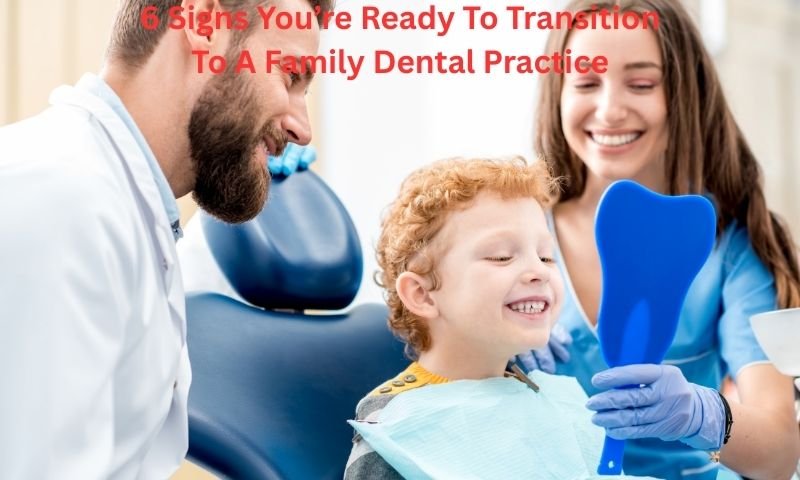
You work hard to care for your health. Your teeth deserve the same attention. A family dental practice can give you steady support for every stage of life. It can also remove stress, confusion, and rushed visits. Many people stay in the same office out of habit. They ignore the small warnings that their care is no longer working. You may feel unheard. You may feel pushed into extra treatment. You may struggle to schedule simple visits. These are not small issues. They are clear signs that you need a change. When you choose a family-focused dentist in West Hills, CA, you choose steady care, honest talk, and a calm setting for you and your children. This guide will show you six signs you are ready to move on. You deserve care that fits your life, respects your time, and protects your long-term health.
1. You feel rushed and confused after each visit
You should leave each appointment with clear next steps. If you walk out unsure about what was done, why it was done, or what it will cost, something is off.
Warning signs include:
- Short visits with little time for questions
- Fast explanations that you cannot repeat in your own words
- No written plan or summary
First, you need time to ask questions. Second, you need plain language. Third, you need a plan you can follow at home. A family dental office focuses on steady relationships. The team learns how you like to get information and how your children learn. You do not need long talks. You need clear ones.
The National Institute of Dental and Craniofacial Research explains how clear home care and regular visits lower tooth decay and gum disease risk. You can read more at NIDCR Tooth Decay Information.
2. Your dentist does not know your family story
Your mouth is linked to your whole body. Family health history plays a strong role in tooth decay, gum disease, and even tooth loss.
Warning signs include:
- No one asks about your family medical history
- New staff act like they have never seen you before
- Your dentist forgets key facts about your health or your child
A family dental practice tracks your history over time. The office learns who gets cavities often, who grinds teeth at night, and who fears shots. This history shapes your care plan. It also helps catch problems early for your children.
When your dentist knows your story, you do not need to repeat it each visit. You feel seen. Your children feel safe. You also get care that matches your real risks, not a generic plan.
3. Scheduling feels like a constant battle
Dental care should fit your life. It should not pull you away from work or school more than needed.
Warning signs include:
- Long waits for simple cleanings
- No early morning or late afternoon options
- Separate days for each child, even for short visits
A family focused office plans with families in mind. You can often book visits for you and your children on the same day. You may be able to group cleanings, checkups, and simple treatments in one visit. This cuts missed work and school. It also cuts stress for you.
First, ask how far out cleanings are booked. Second, ask if siblings can be seen together. Third, ask how the office handles sudden tooth pain. The answers will tell you if the practice is ready to serve families or just squeezing them in.
4. You feel pushed toward treatment you do not understand
You deserve honest talk about choices. You also deserve time to think before you agree.
Warning signs include:
- Pressure to start treatment the same day without clear need
- Fast talk through pros and cons
- No mention of lower cost or simpler options
A trusted family dentist explains what happens if you treat now, delay, or say no. The dentist also explains cost, visit count, and what your child can expect. You should never feel shame for asking about cost or for wanting a second opinion.
The American Dental Association stresses shared decisions between patients and dentists. You can learn about questions to ask your dentist at MouthHealthy: Your Dental Visit.
5. Your children fear or avoid visits
Fear can block care for years. If your child cries, hides, or refuses to open their mouth, your dentist may not be the right fit.
Warning signs include:
- Staff seem impatient with crying or restless children
- No clear plan to help anxious kids
- No simple words or pictures to explain what will happen
A family dental practice uses calm voices, simple tools, and short visits for young patients. The office may offer:
- Tell show do steps that explain each action
- Short first visits that focus only on comfort and trust
- Parent coaching so you can support your child at home
Over time, this care can reshape how your child sees the dentist. Instead of fear, they build trust. That trust carries into teen years and adult life.
6. Your care does not grow with your life
Your needs change as you age. So do your children’s needs. A single focus office may not match those changes.
Warning signs include:
- No support for pregnancy oral health questions
- No guidance on teen sports mouthguards
- No plans for aging teeth, dry mouth, or new medicines
A family practice plans for three stages. First, early childhood care and sealants. Second, teen and adult care that fits braces, sports, and work. Third, aging care that protects teeth, gums, and bone.
This kind of office can see your child from first tooth through college. It can also care for you and older relatives. That steady link makes it easier to track patterns, watch problem spots, and adjust treatment as your life changes.
Family dental practice vs general practice
The table below shows common differences you may notice when you compare your current office to a family focused practice.
| Feature | Typical General Practice | Family Dental Practice |
|---|---|---|
| Patient age range | Mostly adults | Babies, children, teens, adults, seniors |
| Scheduling style | One patient per slot | Grouped family visits and flexible times |
| Communication | Same approach for all patients | Different styles for kids, teens, and adults |
| Office setting | Neutral space | Child friendly space with simple tools and visuals |
| Prevention focus | Standard cleanings and exams | Age based plans, sealants, and home care teaching |
How to take the next step
If you see yourself in these six signs, it is time to look at your options. You can:
- List what matters most to you such as clear talk, child comfort, or grouped visits
- Call offices and ask direct questions about those needs
- Schedule a first visit only for a checkup and conversation
You do not need to stay where you feel rushed, unheard, or uneasy. You can choose a family dental practice that respects your time, your questions, and your children. Your next visit can feel calmer. Your care can match your real life.