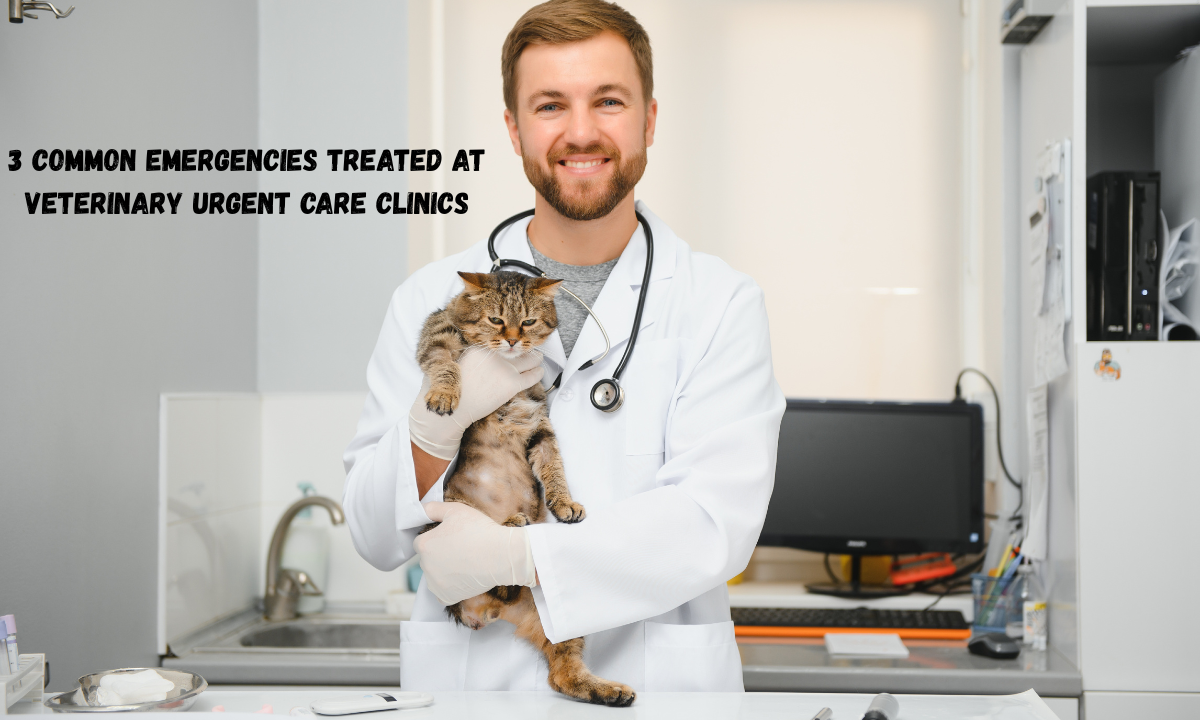
Emergencies with your pet feel sudden and cruel. One minute your dog is fine. Then you see blood, limping, or gasping. In those moments you need clear choices, not confusion. Veterinary urgent care clinics fill that gap. They help when your regular clinic is closed or too busy, and when waiting feels unsafe. You still may wonder what problems they see most often. You may also wonder when to rush in and when to call first. This blog walks through three common emergencies treated at urgent care. You will see what signs to watch for, what help you can expect, and when every minute counts. If you already have a Pensacola veterinarian, this guide can help you decide when urgent care is the faster option. Your goal is simple. You want to act fast, stay calm, and give your pet the strongest chance to recover.
1. Trouble Breathing And Chest Emergencies
Any breathing change is serious. You do not wait and see. You go in.
Common causes include:
- Asthma in cats
- Heart disease in dogs and cats
- Pneumonia or lung infection
- Allergic reaction with throat swelling
- Heat stress or heat stroke
- Trauma to the chest
Warning signs include:
- Fast or hard breathing at rest
- Open mouth breathing in a cat
- Blue or gray gums
- Wheezing or harsh sounds
- Collapse or fainting
At urgent care, staff move your pet to oxygen right away. They often start an IV for fluids. They may take chest X-rays and check the heart with an ECG. You may see a breathing mask or a cage with oxygen. You may also see a fast injection for pain or for an allergic reaction.
The American Veterinary Medical Association explains that trouble breathing is a red flag that needs fast care and should never wait for a routine visit. You can read more emergency tips at AVMA Pet First Aid.
2. Severe Vomiting, Diarrhea, Or Suspected Poisoning
Stomach problems are common. Many pass on their own. Some do not. You watch for three things. You watch the number of episodes. You watch for blood. You watch for any sign of poison.
Reasons to go to urgent care include:
- Vomiting or diarrhea many times in one day
- Blood in vomit or stool
- Refusal to drink or keep water down
- Swollen belly or hard belly
- Sudden weakness or shaking
- Chewing on plants, pills, cleaners, or human food like xylitol gum
At urgent care, staff first check hydration and pain. They may give fluids under the skin or through an IV. They may use anti nausea medicine. They may run blood tests or an X-ray to look for a blockage. If poison is likely, they may call a poison hotline, start charcoal, or give an antidote if one exists.
The ASPCA Animal Poison Control Center works with many clinics. It tracks poison calls every year. The center explains that human medicine, chocolate, and household cleaners cause many pet poison cases. You can see poison guidance for families at the educational page from Cornell University College of Veterinary Medicine at Cornell Household Hazards.
3. Trauma, Wounds, And Sudden Lameness
Falls, bites, and car strikes happen fast. Even a small cut can hide deep damage. You treat trauma as urgent every time.
Common urgent trauma cases include:
- Animal bites
- Car or bike accidents
- Falls from beds, stairs, or decks
- Nail tears
- Foreign objects in paws or skin
Warning signs include:
- Heavy or nonstop bleeding
- Visible bone or deep wound
- Crying when touched
- Limping that starts out of nowhere
- Swelling of a leg or joint
- Head tilt or trouble standing after a hit
At urgent care, the team first controls bleeding. They clean and flush wounds. They may shave fur, close the skin with stitches, or place a bandage or splint. They may also take X-rays to look for breaks. Pain control starts early. You may go home with antibiotics and strict rest instructions.
When To Choose Urgent Care Versus Emergency Hospital
You choose urgent care for serious problems that cannot wait for a routine visit but are not life ending in the next few minutes. You choose a full emergency hospital for life threat signs.
| Situation | Urgent Care Usually | Emergency Hospital Usually |
|---|---|---|
| Hard breathing but still walking | Yes | Yes if blue gums or collapse |
| Vomiting 3 to 4 times in a day | Yes | Yes if blood or collapse |
| Small wound that keeps bleeding | Yes | Yes if heavy blood loss |
| Sudden limping after play | Yes | Yes if bone visible |
| Known poison with label on hand | Yes | Yes if seizures or coma |
How To Prepare Before You Need Help
You cannot predict every crisis. You can still plan. A plan calms your mind when fear hits.
Take three steps now:
- Save contacts. Store your regular clinic, nearest urgent care, and 24 hour emergency hospital in your phone.
- Build a small kit. Include clean gauze, tape, a digital thermometer, a muzzle or soft cloth, and a copy of your pet vaccine records.
- Learn warning signs. Review red flag signs for breathing, bleeding, and poison once a year with your family.
The AVMA encourages every home to keep a pet first aid kit and a written emergency plan. Simple habits like this shorten the time between fear and treatment. That short window often protects your pet from long term harm.
When something feels wrong, trust that feeling. Call. Ask if you should come in now. You will never regret moving fast for a pet you love.